







nutrition
Beetroot Extract: What It Is, Research and How to Take It

By FUNCTNL Team · Last updated 29 October 2026
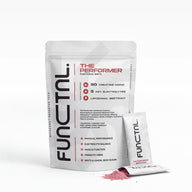
Beetroot extract is a concentrated form of beetroot taken for its dietary nitrate, and studies typically use 350 to 500 mg of nitrate before exercise. The evidence is mixed, and nitrate content varies widely between products. FUNCTNL The Performer provides 2,500 mg of liposomal beetroot alongside creatine and electrolytes.
Key Takeaways
- A good label states nitrate in mg per serving, because beetroot products differ widely.
- A meta-analysis of 17 studies found a moderate gain in time to exhaustion and a small, non-significant effect on time trials.
- A meta-analysis of 16 trials linked nitrate and beetroot juice to a 4.4 mmHg fall in systolic blood pressure.
- Beetroot can colour urine and stools pink or red, which is harmless.
- The label of The Performer does not state the nitrate content of its beetroot.
You see beetroot on labels, on sports shelves and in pre-workout tubs, usually with a bold promise and no numbers. It is hard to tell whether you are buying a concentrated nitrate source or simply powdered beetroot. This article explains what the research has measured, how much studies use and who should be careful. It also shows where The Performer fits, and what its label does and does not tell you. For the wider picture on creatine, read our guide to creatine for strength and endurance.
What Is Beetroot Extract?
Beetroot extract is a concentrated form of beetroot, made by processing the root to concentrate compounds such as nitrate and betalains, and sold as a powder or capsule. Betalains are the red-violet pigments that give beetroot its colour. Nitrate and pigment content vary between products, according to the Australian Institute of Sport (AIS).
The same beetroot can be sold as juice, powder, extract or liposomal beetroot. Liposomal beetroot is beetroot wrapped in a fat layer that is designed to help the body absorb it. Because these forms differ, research on beetroot juice cannot simply be assumed to apply to an extract. In short, an extract is a convenient, concentrated way to take beetroot, but only a stated nitrate amount tells you what you are getting.
How Does Beetroot Work in the Body?
Beetroot works through nitrate: your body converts dietary nitrate into nitrite and then nitric oxide, a molecule that relaxes blood vessels and changes how efficiently muscles use oxygen. Nitrate supplementation has been reported to lower the oxygen cost of submaximal exercise (Zoughaib et al., 2024).
Nitrate content is the variable that matters. It differs from plant to plant and with soil, climate and time since harvest, and many beetroot products leave it unspecified, according to the AIS. Two products with the same weight of beetroot can therefore deliver very different amounts of nitrate. Read more in our article on creatine and beetroot together.
What Does the Research Show About Beetroot?
Does Beetroot Improve Exercise Performance?
It can for some people, but results depend on the test. A meta-analysis of 17 studies found nitrate supplementation moderately improved time to exhaustion, with a small, non-significant effect on time trials (Hoon et al., 2013). Benefits appeared more often in inactive or recreationally active people than in well-trained athletes. Most trials were short and used juice or nitrate salts. In practice, beetroot may help a steady, hard effort more than a race-pace time trial, though individual response varies.
Does Beetroot Lower Blood Pressure?
In research, modestly. A meta-analysis of 16 trials with 254 people linked nitrate and beetroot juice to a 4.4 mmHg fall in systolic blood pressure (Siervo et al., 2013). That is a research finding, not a treatment, and it is why anyone on blood pressure medication should speak to their GP first. The review pooled trials of beetroot juice and inorganic nitrate, so it describes nitrate, not any single product.
Does Beetroot Do More Than Supply Nitrate?
Possibly, but it is unproven. A 2024 review compared beetroot juice with nitrate salts and found some evidence that juice may offer extra advantages, but said limitations in the studies make firm conclusions difficult (Zoughaib et al., 2024). Few trials have tested extracts or powders, so we make no claim for pigments beyond nitrate. Until direct trials exist, nitrate per serving is the safest way to compare products.
How Much Nitrate Do Studies Use?
Studies typically use 6 to 8 mmol of nitrate, about 350 to 500 mg, taken 2 to 3 hours before exercise, according to the AIS. Nitrate is the number that counts, not the weight of beetroot. There is no authorised UK health claim for beetroot or nitrate, so this is research, not a promise. A 6 to 8 mmol dose is a research protocol, so a product that does not state its nitrate cannot be matched to it.
How Much Beetroot Extract Should You Take?
Follow the nitrate dose on the label, not the weight of beetroot. Studies typically use 350 to 500 mg of nitrate. For The Performer, take one sachet (9.5 g) a day in 300 to 400 ml of cold water, which provides 2,500 mg of liposomal beetroot. Choose the row below that fits your routine.
| Use | Daily Amount | Timing | Form |
|---|---|---|---|
| Research protocols | 350 to 500 mg nitrate | 2 to 3 hours before exercise | Juice shot or product with stated nitrate |
| The Performer, training days | 2,500 mg liposomal beetroot | Before, during or after training | One sachet in 300 to 400 ml cold water |
| The Performer, key sessions | 2,500 mg liposomal beetroot | 2 to 3 hours before | One sachet in 300 to 400 ml cold water |
| The Performer, rest days | 2,500 mg liposomal beetroot | Same time as training days | One sachet in 300 to 400 ml cold water |
When Is the Best Time to Take It?
Research protocols give nitrate 2 to 3 hours before exercise, according to the AIS. For The Performer, the best time is whenever you will take it every day. If you want to follow the research timing, take it 2 to 3 hours before key sessions, and test it in training first.
How Do You Take The Performer?
- Open one sachet and pour it into a shaker or glass.
- Add 300 to 400 ml of cold water.
- Shake or stir until it dissolves.
- Drink it at your chosen time.
- Repeat daily, including rest days.
Beetroot Extract vs Beetroot Juice: Which Should You Choose?
Choose juice if you want a food that counts towards your 5 a day, ideally a shot with a stated nitrate amount. Choose a powder or extract if you want convenience and a sugar-free routine, and check the label for nitrate. A supplement never replaces your vegetables. In practice, the question is not extract versus juice but nitrate per serving, because a juice with an unstated amount tells you no more than a powder with an unstated amount.
| Feature | Beetroot Extract or Powder | Beetroot Juice |
|---|---|---|
| Nitrate per serving | Check the label; varies by product | Check the label; varies by brand |
| Counts towards 5 a day | No, it is a supplement | Yes, up to 150 ml a day |
| Form | Sachet, powder or capsule | Bottle or shot |
| Natural sugars | Check the label | Free sugars; keep juice to meals |
The NHS says unsweetened 100% vegetable juice counts as a maximum of one portion a day, and that juicing releases sugars that can damage teeth. Read the NHS 5 A Day guidance.
Is Beetroot Safe to Take as a Supplement?
Beetroot is a food, and most people tolerate it well. The most common effect is pink or red urine or stools, which is harmless. Concentrated juice in large doses can cause mild stomach discomfort. The main safety point is blood pressure, because nitrate has been linked with lower systolic pressure in trials.
Who Should Avoid It?
- Anyone taking blood pressure medication should speak to their GP first.
- People with kidney disease should ask their GP first, as The Performer also contains creatine and potassium.
- Anyone on a low-sodium diet should check first, as one sachet has 175 mg of sodium.
- Anyone with an allergy to an ingredient should check the full label.
Food supplements should not replace a varied, balanced diet. Speak to your GP before use if you are pregnant, breastfeeding, taking medication or have a medical condition.
How FUNCTNL The Performer Fits In
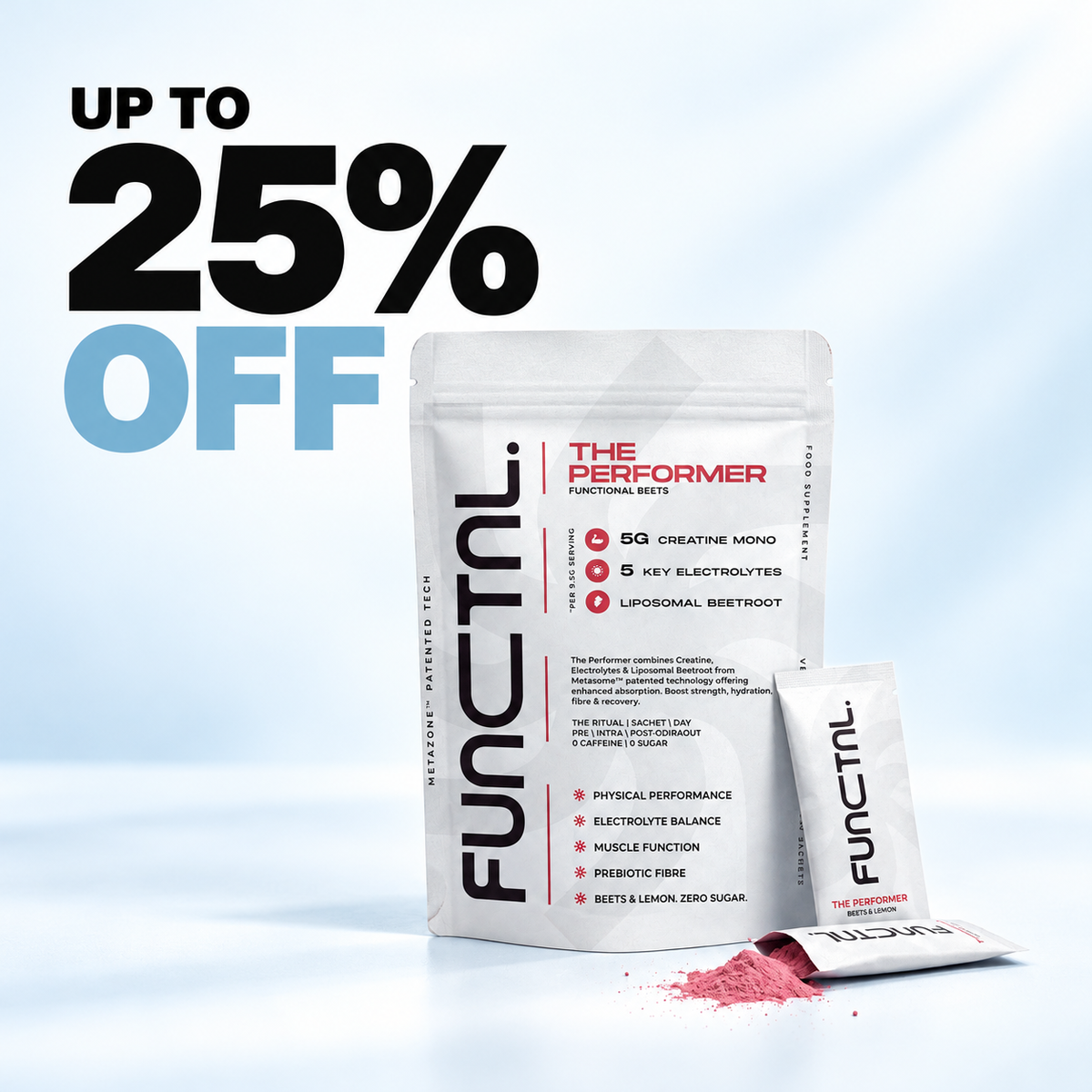
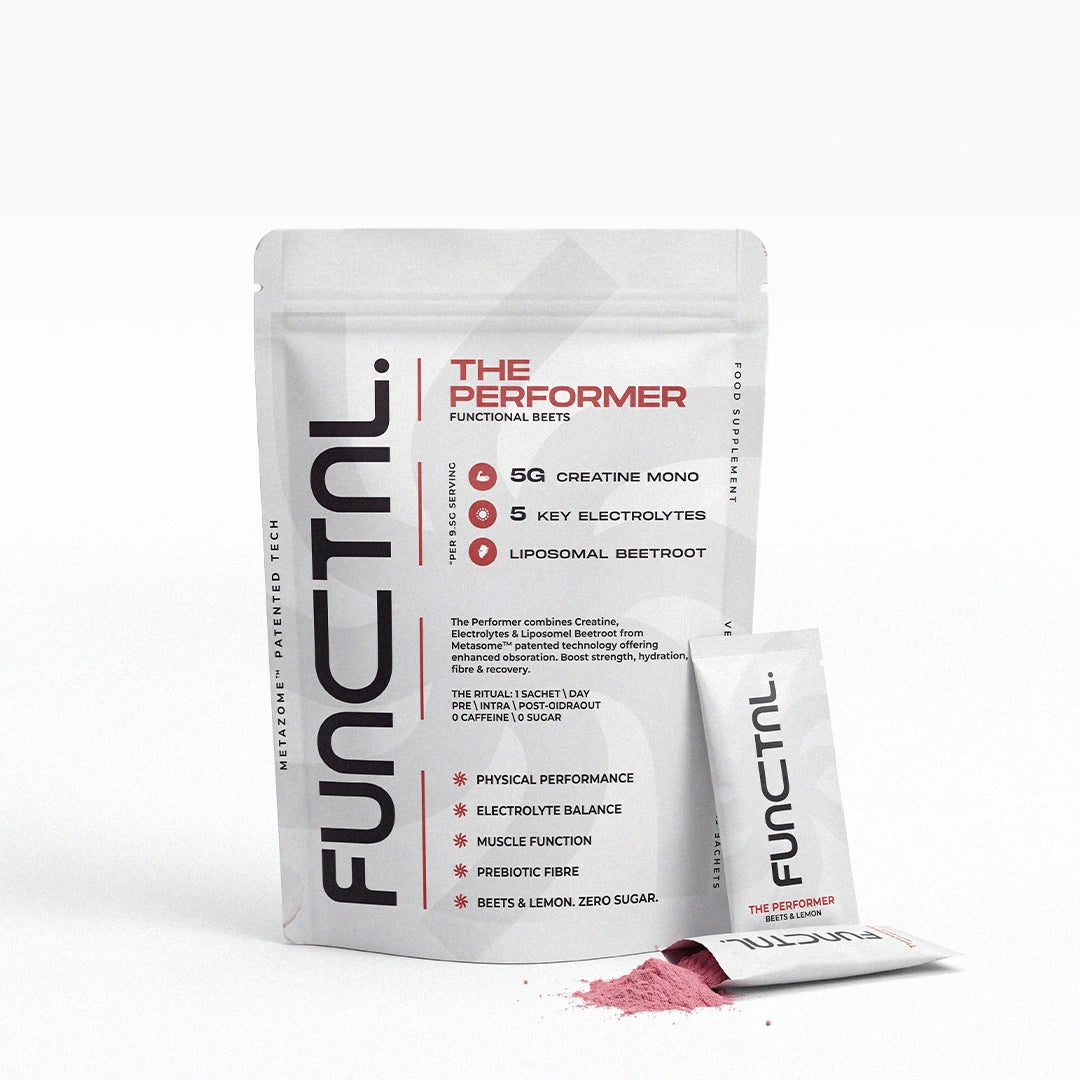
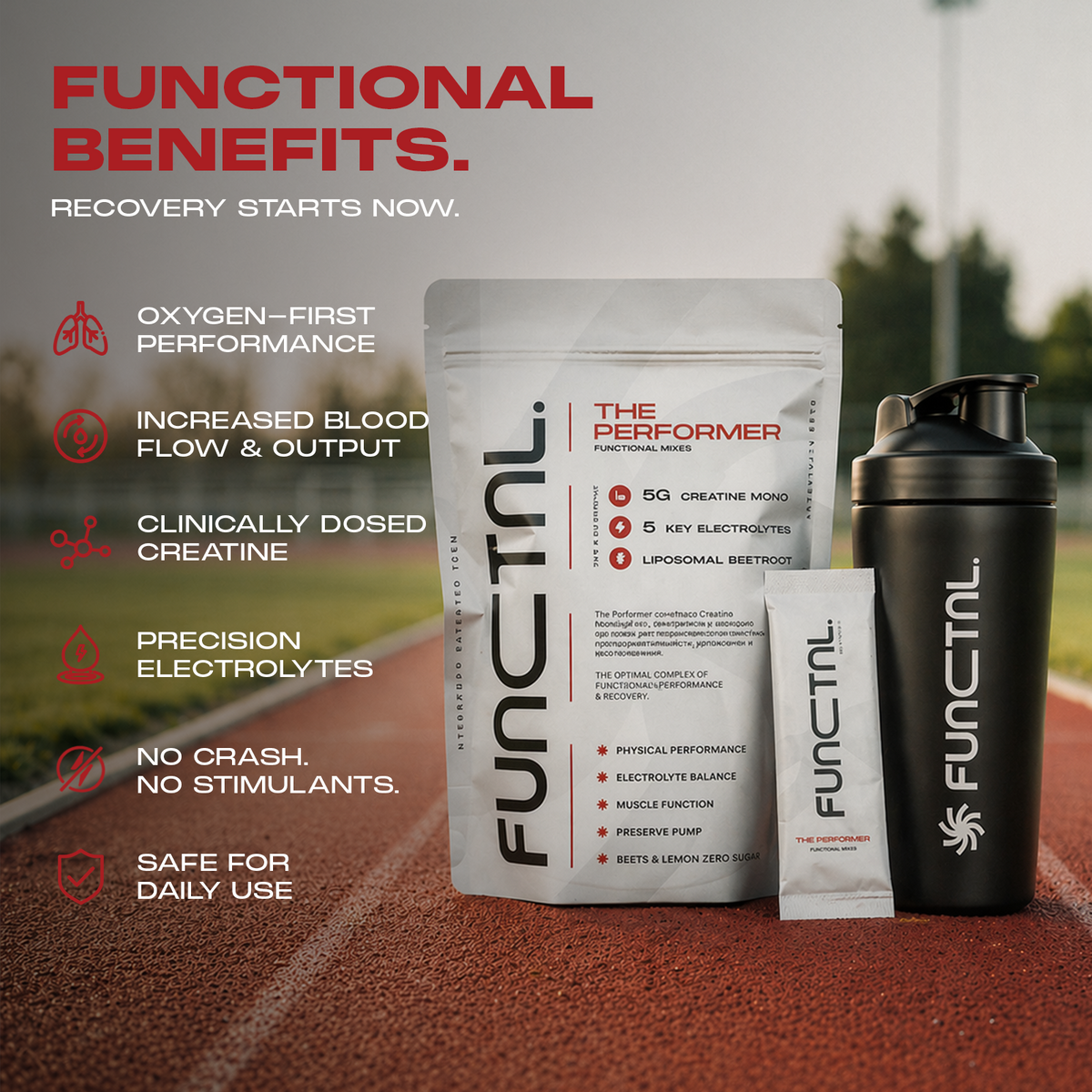
The Performer provides 2,500 mg of liposomal beetroot, 5,000 mg of creatine monohydrate, 300 mg of potassium, 149 mg of magnesium, 175 mg of sodium and 10 µg of vitamin B12 in each 9.5 g sachet. Creatine increases physical performance in successive bursts of short-term, high-intensity exercise, and magnesium contributes to electrolyte balance and normal muscle function, according to the Great Britain nutrition and health claims register. The creatine effect is obtained with a daily intake of 3 g.
Here is what only we can tell you: we chose a full 5 g creatine dose with no proprietary blends, and kept the formula caffeine-free and sugar-free. The label does not state the nitrate content of the beetroot, so we make no nitrate claim. A pack holds 15 sachets.
“Doesn't taste sweet.”
— Blair Munhezi, Boxer and Personal Trainer
Frequently Asked Questions
Can You Take a Beetroot Supplement Every Day?
Yes, for most healthy adults. The serving we recommend for The Performer is one sachet a day, because its creatine works by building up in muscle over weeks. Do not exceed the recommended daily intake, and speak to your GP first if you take medication or are pregnant.
Can You Take Beetroot Powder and Creatine Together?
Yes. They work through different pathways, and The Performer combines 2,500 mg of liposomal beetroot with 5,000 mg of creatine monohydrate in one sachet. Mix it with 300 to 400 ml of cold water, and do not exceed one sachet a day.
Is Creatine an Electrolyte?
No. Creatine is not an electrolyte, and electrolytes are minerals such as sodium, potassium and magnesium. The Performer provides both in one sachet: creatine monohydrate, plus 300 mg of potassium, 149 mg of magnesium and 175 mg of sodium, with 0 g of sugar.
Is The Performer a Caffeine-Free Pre-Workout?
It is caffeine-free, with 0 mg per sachet, but it is not a stimulant pre-workout and will not give you a buzz. You can take it before, during or after training, and its creatine works through daily use over several weeks.
What Does The Performer Taste Like?
It has a beets and lemon flavour, sweetened with stevia, and 0 g of sugar. It is not sweet, as one customer puts it. Mix it with 300 to 400 ml of cold water, and the colder the water, the better it tastes.
Is Liposomal Beetroot Absorbed Better Than Ordinary Beetroot?
Liposomal delivery is designed to help absorption, but we make no claim that it raises nitrate uptake. Research on nitrate used juice or nitrate salts, not liposomal products, and our label does not state nitrate content. Judge any product by its stated nitrate per serving.
How Many Servings Are in a Pack of The Performer?
One pack holds 15 sachets of 9.5 g, which is 15 daily servings at one sachet a day. You can buy it once or subscribe, and you can skip, change or cancel a subscription from your account at any time.
Sources
- Hoon MW, Johnson NA, Chapman PG, Burke LM (2013). The effect of nitrate supplementation on exercise performance in healthy individuals: a systematic review and meta-analysis. International Journal of Sport Nutrition and Exercise Metabolism.
- Siervo M, Lara J, Ogbonmwan I, Mathers JC (2013). Inorganic nitrate and beetroot juice supplementation reduces blood pressure in adults: a systematic review and meta-analysis. Journal of Nutrition, 143(6), 818–826.
- Zoughaib WS, Fry MJ, Singhal A, Coggan AR (2024). Beetroot juice supplementation and exercise performance: is there more to the story than just nitrate? Frontiers in Nutrition.
- Australian Institute of Sport. Sports Supplement Framework: Beetroot Juice and Nitrate Fact Sheet.
- NHS. 5 A Day: What Counts? Juice and Smoothies (Portion Sizes).
- UK Government. Great Britain Nutrition and Health Claims (NHC) Register.


