







nutrition
How to Use Beetroot for High Blood Pressure: What Studies Show

By FUNCTNL Team · Last updated 30 October 2026
To use beetroot for high blood pressure, speak to your GP first, keep taking any prescribed medicine and add beetroot as a food, not a replacement for medicine. In one UK trial, 250 ml of beetroot juice a day for 4 weeks lowered home blood pressure by 8.1/3.8 mmHg in people with hypertension.
Key Takeaways
- The NHS says everyone with high blood pressure should make lifestyle changes, including eating less than 6 g of salt a day and 5 portions of fruit and vegetables.
- The trial lasted 4 weeks, so it says nothing about long-term blood pressure control.
- The trial dose of 250 ml is above the NHS limit of 150 ml a day for juices and smoothies, so ask your GP or dietitian before copying it.
- Beeturia, pink or red urine, and discoloured stools were common in the trial and are harmless.
- Never stop or change blood pressure medicine because of beetroot.
Your reading came back high, and someone has told you beetroot juice can bring it down. It is a fair question, because UK researchers have tested it. This article explains what that trial did, how beetroot could fit into a plan your GP agrees with, and the mistakes to avoid. It does not replace medical advice, and you will find no promises here, only what the research measured and what the NHS advises. For more on beetroot research, read our article on beetroot and creatine together.
How Do You Use Beetroot for High Blood Pressure?
Use beetroot as one part of a plan your GP knows about. Keep taking your medicine, cut your salt, eat more vegetables and add beetroot as a food. Do not think of it as a replacement for medicine, because the NHS advises talking to your doctor before changing any treatment.
- Book a blood pressure check with your GP or pharmacist, and follow their plan first.
- Keep taking any prescribed medicine, and never stop or change it because of beetroot.
- Cut your salt to under 6 g a day and aim for 5 portions of fruit and vegetables.
- Add beetroot as a food: whole beetroot, or up to 150 ml of unsweetened juice with a meal.
- Ask your GP or dietitian before drinking a larger daily amount, such as the trial dose.
- Check your blood pressure at home as your GP advises, and keep a diary.
- Review your readings with your GP after 4 weeks.
The NHS says simple lifestyle changes can help reduce high blood pressure, and that everyone with it is advised to make them. Medicine is offered when readings are consistently above 140/90 mmHg and your risk is high, or above 160/100 mmHg. Read the NHS guidance on high blood pressure treatment.
How Much Beetroot Should You Have for Blood Pressure?
Up to 150 ml of unsweetened juice a day counts towards your 5 a day, and that is the NHS limit for all juices and smoothies combined. The UK trial used 250 ml of nitrate-rich beetroot juice a day for 4 weeks. Discuss anything above 150 ml with your GP or dietitian first.
Sources: NHS 5 A Day guidance and Kapil et al. (2015).
| Goal | Amount (ml) | Timing | Note |
|---|---|---|---|
| Food-first, 5 a day | Up to 150 | With a meal | Counts as one portion at most; NHS limit for juices and smoothies |
| Trial dose | 250 | Same time each morning | Used for 4 weeks under supervision; ask your GP first |
| Beetroot powder or capsule | Follow the label | Same time each day | Not the trial product; nitrate varies and is often not stated |
When Is the Best Time to Have Beetroot?
In the trial, patients drank one bottle at the same time each morning (Kapil et al., 2015). Taking it at a regular time helps you track your readings. The NHS advises keeping juice to mealtimes, because juicing releases sugars that can damage teeth.
What Mistakes Should You Avoid?
- Stopping or lowering your medicine because you started drinking beetroot juice.
- Thinking juice replaces cutting salt, which the NHS says to keep under 6 g a day.
- Copying the 250 ml trial dose without checking the sugar and the NHS 150 ml juice limit.
- Buying a product that does not state its nitrate, since nitrate varies between beetroot products. Read the AIS beetroot and nitrate fact sheet.
- Taking potassium or magnesium supplements, or salt substitutes, to lower blood pressure without asking your doctor. Read the East Lancashire NHS dietetics guidance.
What Does the Research Show?
Did Beetroot Juice Lower Blood Pressure in People with Hypertension?
Yes, in one UK trial. In 68 people with hypertension, half on medicine, 250 ml of beetroot juice a day for 4 weeks lowered home blood pressure by 8.1/3.8 mmHg compared with nitrate-free juice (Kapil et al., 2015). The authors called it an adjunctive approach, and the study was short.
Does It Work Across Other Studies?
A meta-analysis of 16 trials with 254 adults found that inorganic nitrate and beetroot juice were associated with a 4.4 mmHg fall in systolic blood pressure (Siervo et al., 2013). That analysis pooled nitrate and beetroot juice trials, so it describes nitrate, not one product.
Is It Safe to Use Beetroot If You Have High Blood Pressure?
It can be for many people, with your GP involved. In the trial, patients on medicine took beetroot juice alongside it, and no serious adverse events were reported. They were monitored, though. Beetroot nitrate lowers blood pressure, so tell your GP before you start, especially if you take medicine.
Who Should Avoid It?
- Anyone taking blood pressure medicine should speak to their GP or pharmacist first.
- People with kidney disease should ask their GP before regular use.
- Anyone with low blood pressure or dizziness should check first.
- Anyone who is pregnant or breastfeeding should speak to a healthcare professional.
Food supplements should not replace a varied, balanced diet. Speak to your GP before use if you are pregnant, breastfeeding, taking medication or have a medical condition.
How FUNCTNL The Performer Fits In
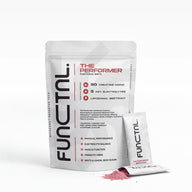
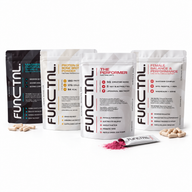
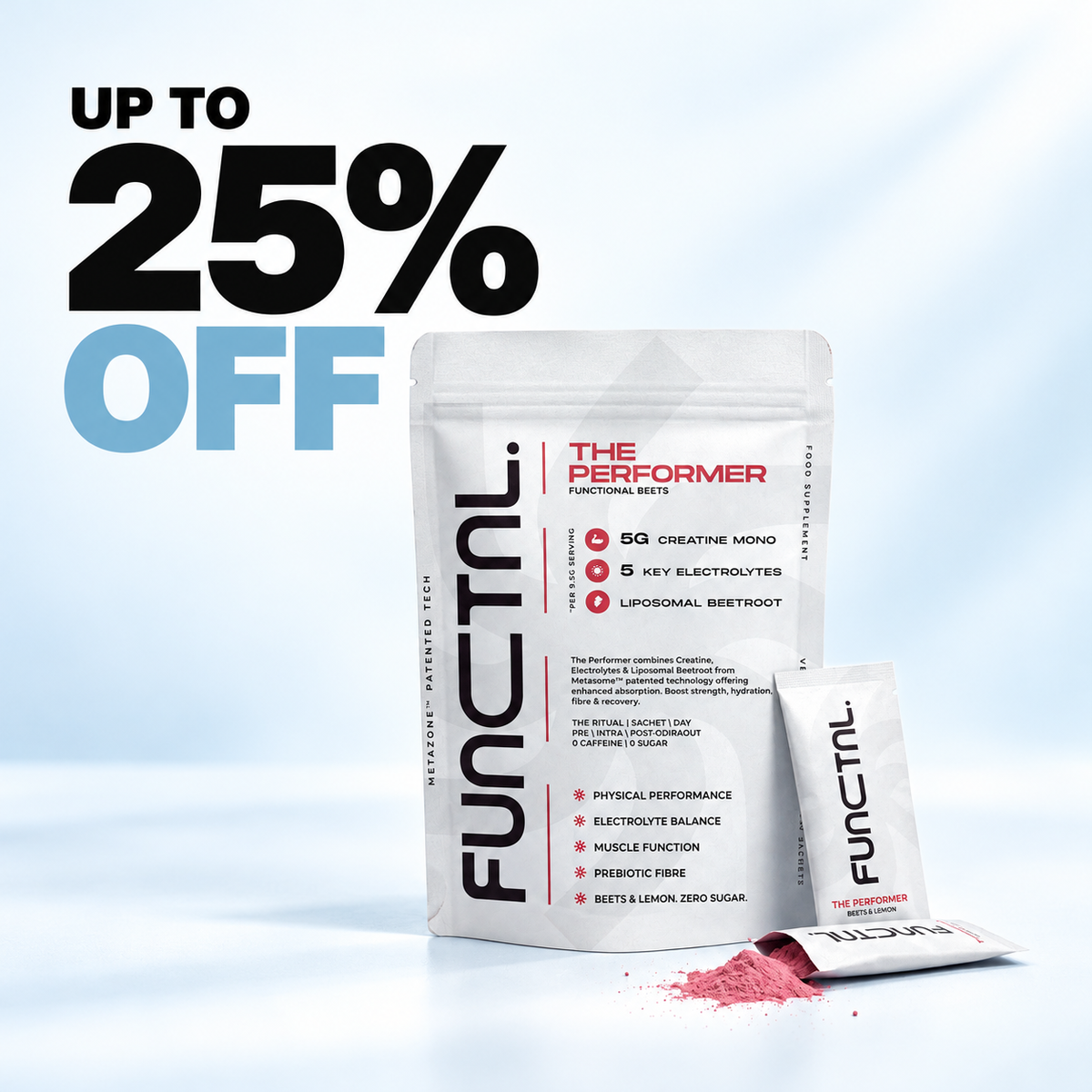
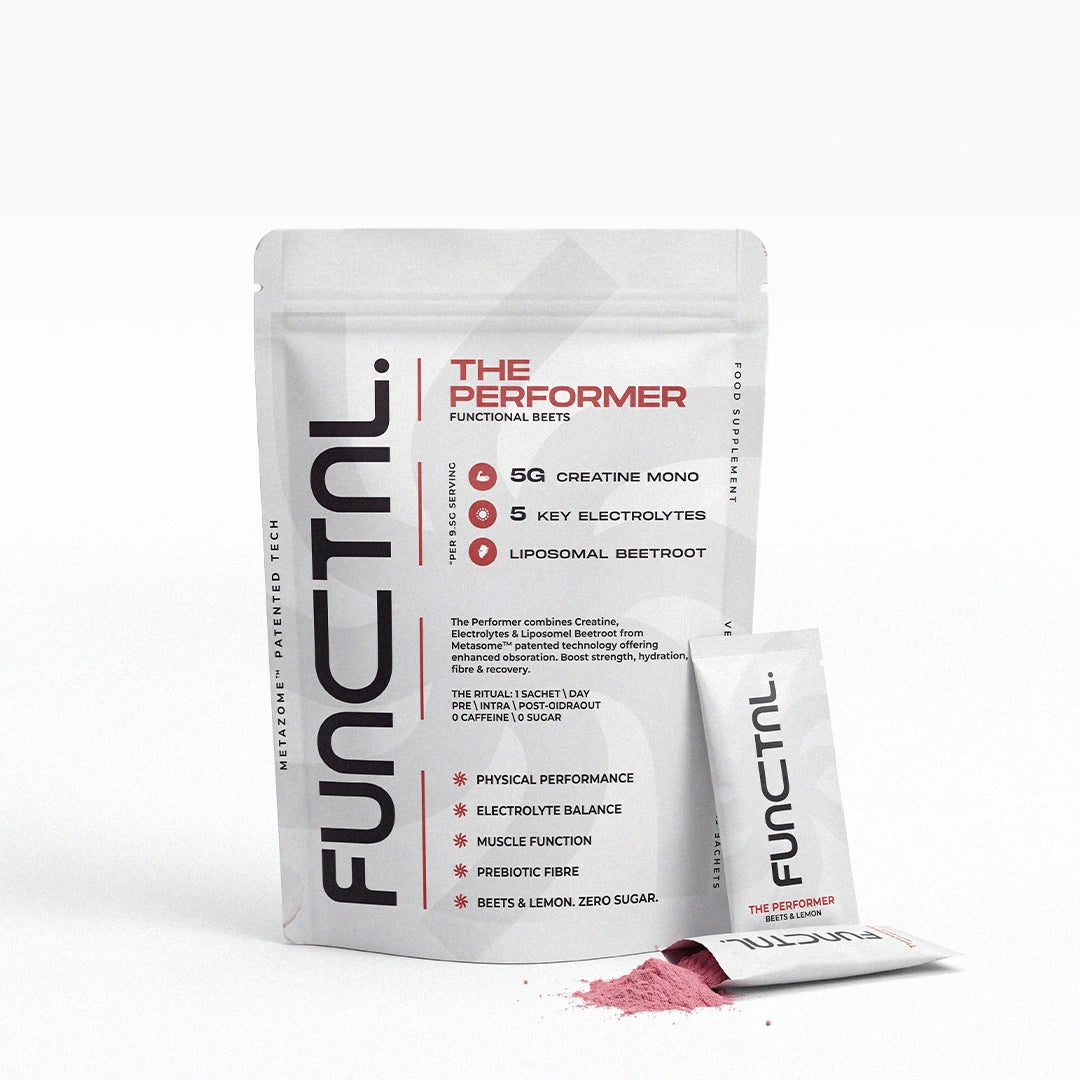
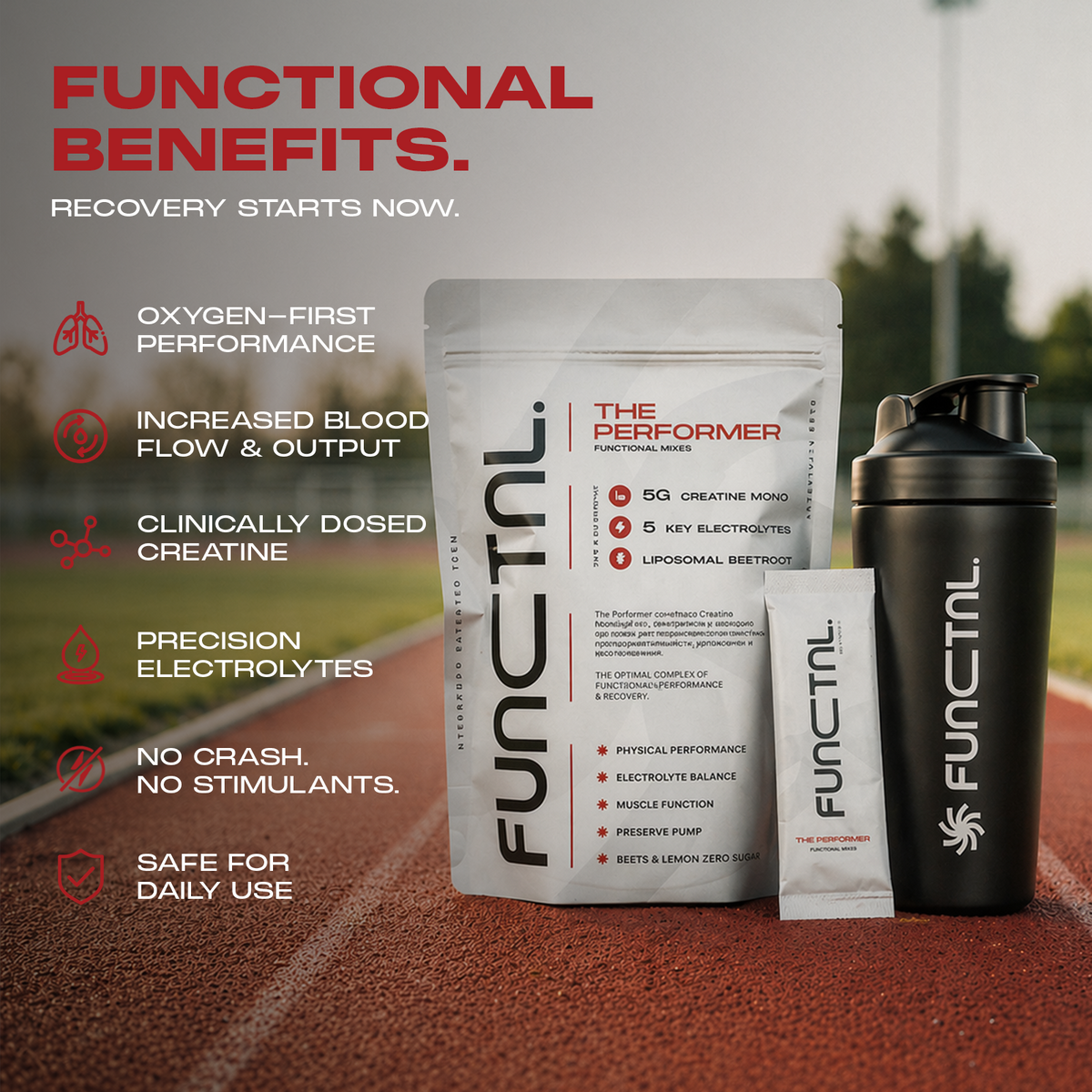
The Performer is not a blood pressure product, and we make no claim that it affects blood pressure. Each 9.5 g sachet provides 2,500 mg of liposomal beetroot, 5,000 mg of creatine monohydrate, 300 mg of potassium and 175 mg of sodium. Here is what only we can say: we do not state the nitrate content of the beetroot, so it cannot be matched to the trial.
Because the sachet contains sodium and potassium, anyone with high blood pressure should speak to their GP before using it. If you want to follow the trial approach, discuss nitrate-rich beetroot juice with your GP. A pack holds 15 sachets.
Frequently Asked Questions
Does Beetroot Juice Lower Blood Pressure Straight Away?
A single dose has acutely lowered blood pressure in healthy volunteers, but that is not the same as control in hypertension. The UK trial measured readings over 4 weeks of daily juice, and it could not show long-term effects. Check any change with your GP.
Does Beetroot Powder Work Like Beetroot Juice for Blood Pressure?
Not proven. The trials used beetroot juice, and the nitrate in beetroot products varies with the plant, soil, climate and time since harvest, with many products leaving it unspecified. A powder with an unstated nitrate amount cannot be matched to a trial dose, so do not assume equal results.
Is Beetroot Juice High in Sugar?
Juicing releases free sugars that can damage teeth, according to the NHS, which says juices and smoothies should total no more than 150 ml a day and be kept to mealtimes. A 250 ml trial-sized glass is above that, so discuss it with your GP or dietitian.
Does Beetroot Lower Blood Pressure in People Without Hypertension?
Some research suggests it does modestly. A meta-analysis of 16 trials in adults linked nitrate and beetroot juice to a 4.4 mmHg fall in systolic blood pressure. If your reading is normal, beetroot is simply a vegetable, and you do not need it to manage your blood pressure.
What Blood Pressure Reading Counts as High?
The NHS offers medicine alongside lifestyle changes if your blood pressure is consistently above 140/90 mmHg, or 135/85 mmHg at home, and your risk is high, or if it is consistently above 160/100 mmHg. Only your GP can diagnose high blood pressure after proper readings.
Is The Performer Suitable for People with High Blood Pressure?
Speak to your GP first. The Performer is not designed for blood pressure, and one sachet contains 175 mg of sodium and 300 mg of potassium. Its 2,500 mg of liposomal beetroot has no stated nitrate content, so we cannot compare it with the nitrate juice used in research.
Can Salt Substitutes or Potassium Supplements Lower Blood Pressure?
Dietitians advise against it without medical guidance. Supplements such as potassium and magnesium are not recommended for reducing blood pressure, because consuming more than you need can be harmful, and many salt substitutes contain potassium. Talk to your doctor before taking any supplement or substitute.
Sources
- Kapil V, Khambata RS, Robertson A, Caulfield MJ, Ahluwalia A (2015). Dietary nitrate provides sustained blood pressure lowering in hypertensive patients: a randomized, phase 2, double-blind, placebo-controlled study. Hypertension, 65(2), 320–327.
- Siervo M, Lara J, Ogbonmwan I, Mathers JC (2013). Inorganic nitrate and beetroot juice supplementation reduces blood pressure in adults: a systematic review and meta-analysis. Journal of Nutrition, 143(6), 818–826.
- NHS. High Blood Pressure (Hypertension): Treatment.
- NHS. 5 A Day: What Counts? Juice and Smoothies (Portion Sizes).
- East Lancashire Hospitals NHS Trust. Hypertension and Diet (Dietetics Self-Help Leaflet).
- Australian Institute of Sport. Sports Supplement Framework: Beetroot Juice and Nitrate Fact Sheet.


