




joints
Joint Supplements for Runners: A London Marathon Training Guide

By Functnl Team · Last updated 8 October 2026
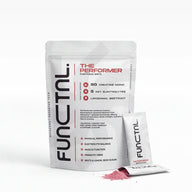
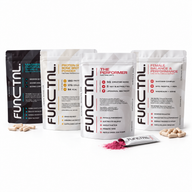
Joint supplements for runners work best as one layer of a routine that also covers fuelling, protein and strength work. For the London Marathon on 25 April 2027, a simple daily stack pairs FUNCTNL Joint & Gut Synergy (25 µg of vitamin D3, 80 mg of magnesium) with The Performer for electrolytes and Halal Bone Broth for protein.
Key Takeaways
- The London Marathon is on Sunday 25 April 2027, about 28 weeks away, so most training falls in autumn and winter.
- Recreational runners had 3.5% hip and knee osteoarthritis, against 10.2% in non-runners, in a 2017 meta-analysis.
- Vitamin D contributes to the maintenance of normal bones and normal muscle function, and one serving of Joint & Gut Synergy provides 25 µg.
- Fuelling comes first: 30 to 60 g of carbohydrate an hour on long runs and 1.2 to 2.0 g of protein per kg a day.
- The Performer and Halal Bone Broth fill different gaps, and neither replaces your race-day carbohydrate.
If you have a place in the 2027 London Marathon, you are about to spend a winter running in the dark, in the cold, with your legs doing most of the work. That is where a daily routine pays off, and Joint & Gut Synergy is the part of ours built around joints and recovery.
Supplements are the last layer. Training load, strength work, sleep and food come first. This guide shows where each FUNCTNL product fits.
What Are Joint Supplements for Runners?
Joint supplements for runners are daily supplements that provide nutrients such as vitamin D and magnesium, plus ingredients such as curcumin, boswellia, black ginger and hyaluronic acid, to sit alongside your training and recovery.
Marathon training means thousands of repeated steps a week, so look after the basics. A 2017 meta-analysis found that recreational runners had less hip and knee osteoarthritis than non-runners, while competitive runners had more, so manage volume and intensity (Alentorn-Geli et al., 2017).
What Is in One Serving of Joint & Gut Synergy?
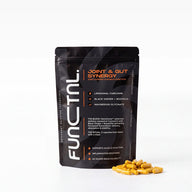
One serving is 2 capsules. Here is what it provides:
| Nutrient | Per 2 capsules |
|---|---|
| Liposomal curcumin | 250 mg |
| Boswellia extract (30% AKBA) | 100 mg |
| Black ginger | 50 mg |
| Hyaluronic acid | 50 mg |
| Vitamin D3 | 1,000 IU / 25 µg (500% NRV) |
| Magnesium (bisglycinate) | 80 mg (21% NRV) |
Every dose is on the label, with no proprietary blends.
What Are the Benefits of Joint Supplements for Runners?
Is Running Bad for Your Knees?
No. In a meta-analysis of 24 studies, hip and knee osteoarthritis affected 3.5% of recreational runners, 10.2% of non-runners and 13.3% of competitive runners (Alentorn-Geli et al., 2017). Build mileage gradually and add strength work.
Why Does Vitamin D Matter for Winter Marathon Training?
Vitamin D contributes to the maintenance of normal bones and normal muscle function. These are authorised health claims in Great Britain (GB NHC register). From October to March your skin cannot make enough, and the NHS advises 10 µg a day in autumn and winter, with a safe upper limit of 100 µg (NHS). One serving of Joint & Gut Synergy provides 25 µg, which sits between the two.
Does Magnesium Matter for Runners?
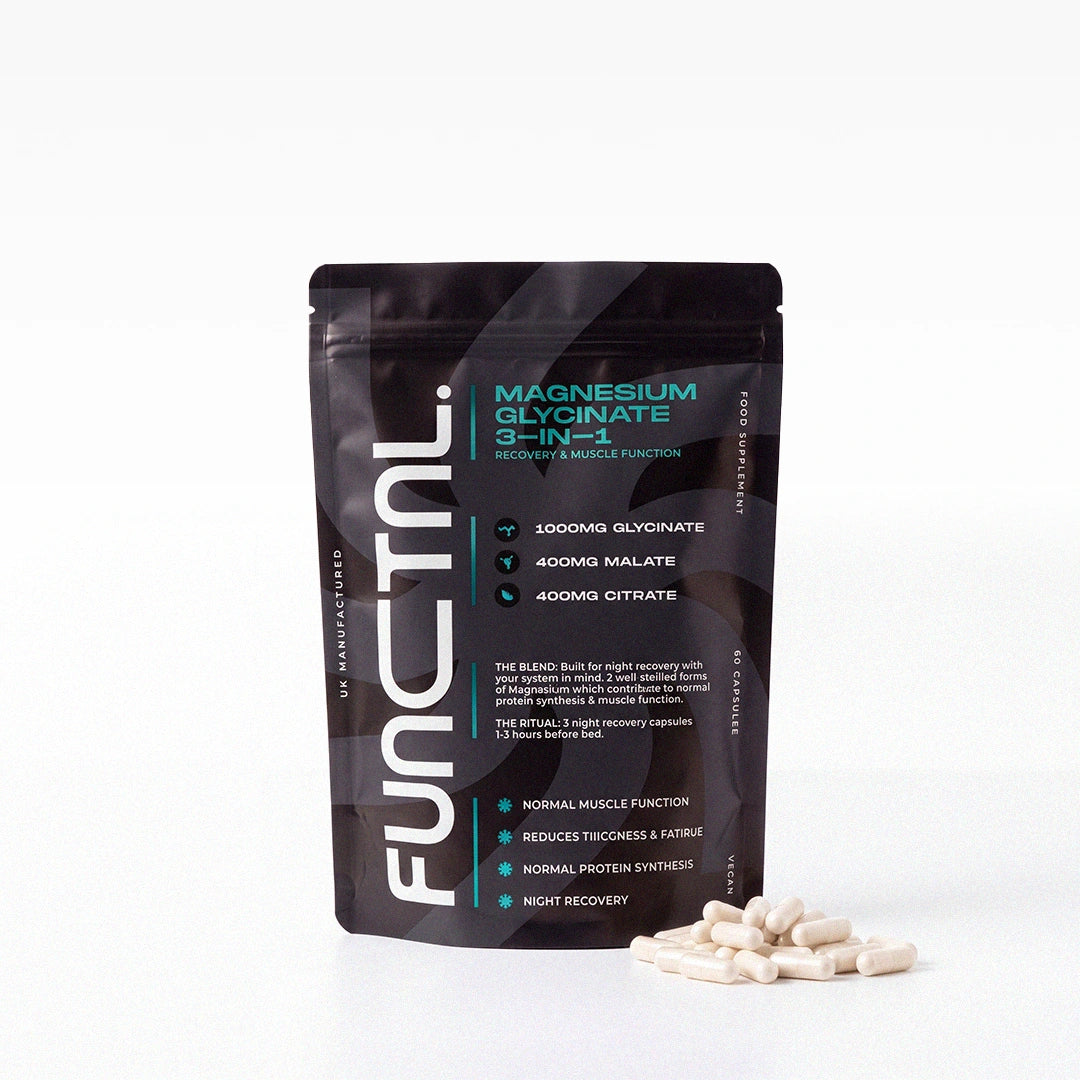
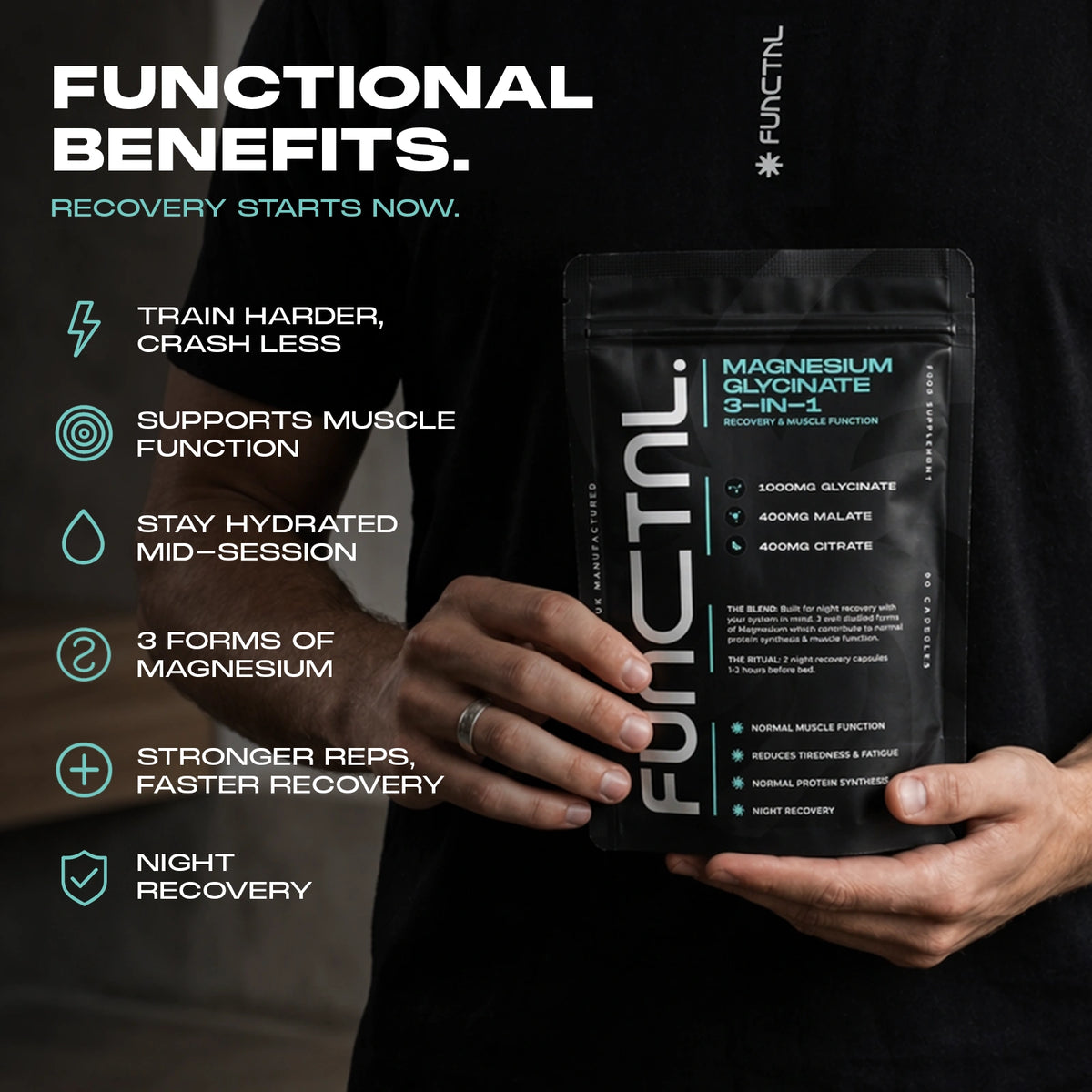
Magnesium contributes to normal muscle function, electrolyte balance and the reduction of tiredness and fatigue. One serving of Joint & Gut Synergy provides 80 mg (21% NRV), and one sachet of The Performer provides 149 mg (40% NRV). If you use both, count your total magnesium across all supplements.
What Do Curcumin, Boswellia and Black Ginger Add?
They are the specialist part of the formula. Curcumin is the yellow pigment in turmeric. Boswellia is a tree resin with a long history of traditional use. Black ginger is a Thai root rich in polymethoxyflavones. There is no authorised UK health claim for these ingredients, so we describe what they are and let the label speak.
How Should Runners Fuel for the London Marathon?
Fuel first, then supplements. The ACSM joint position stand recommends 6 to 10 g of carbohydrate per kg of body weight a day for 1 to 3 hours of daily training, 30 to 60 g an hour during runs of 1 to 2.5 hours, and up to 90 g an hour beyond that (ACSM, 2016). It sets athlete protein at 1.2 to 2.0 g per kg a day.
Where Do The Performer and Halal Bone Broth Fit?
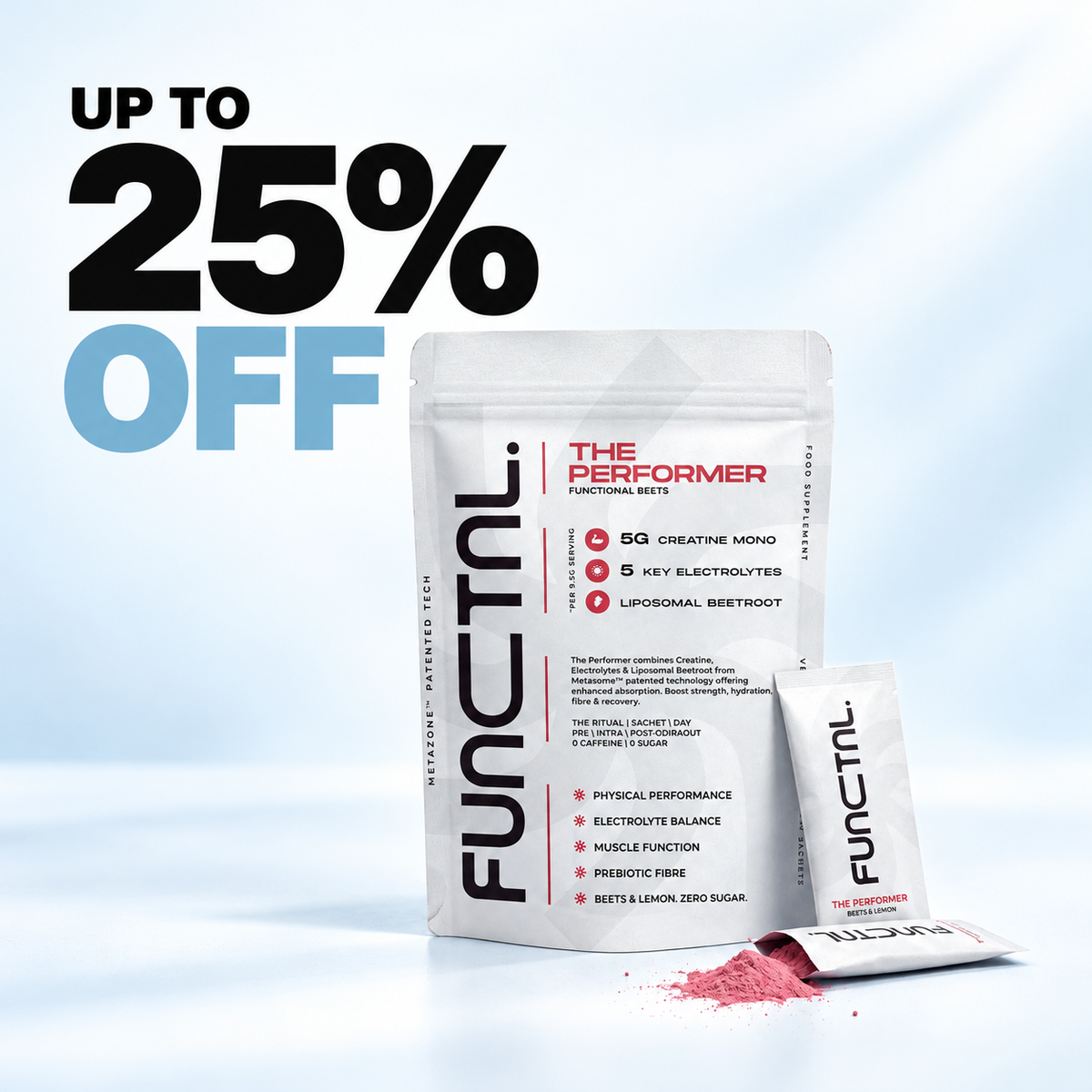
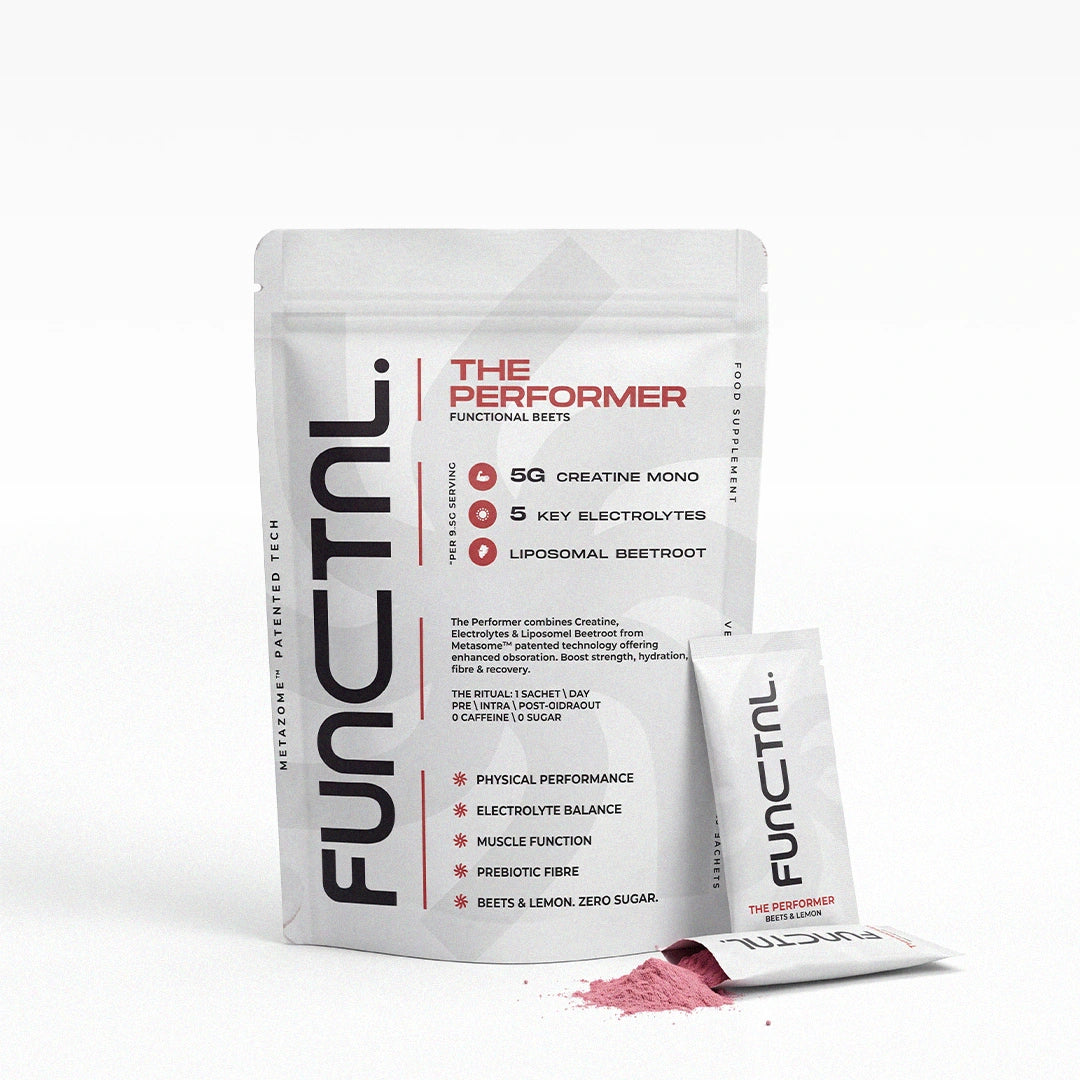
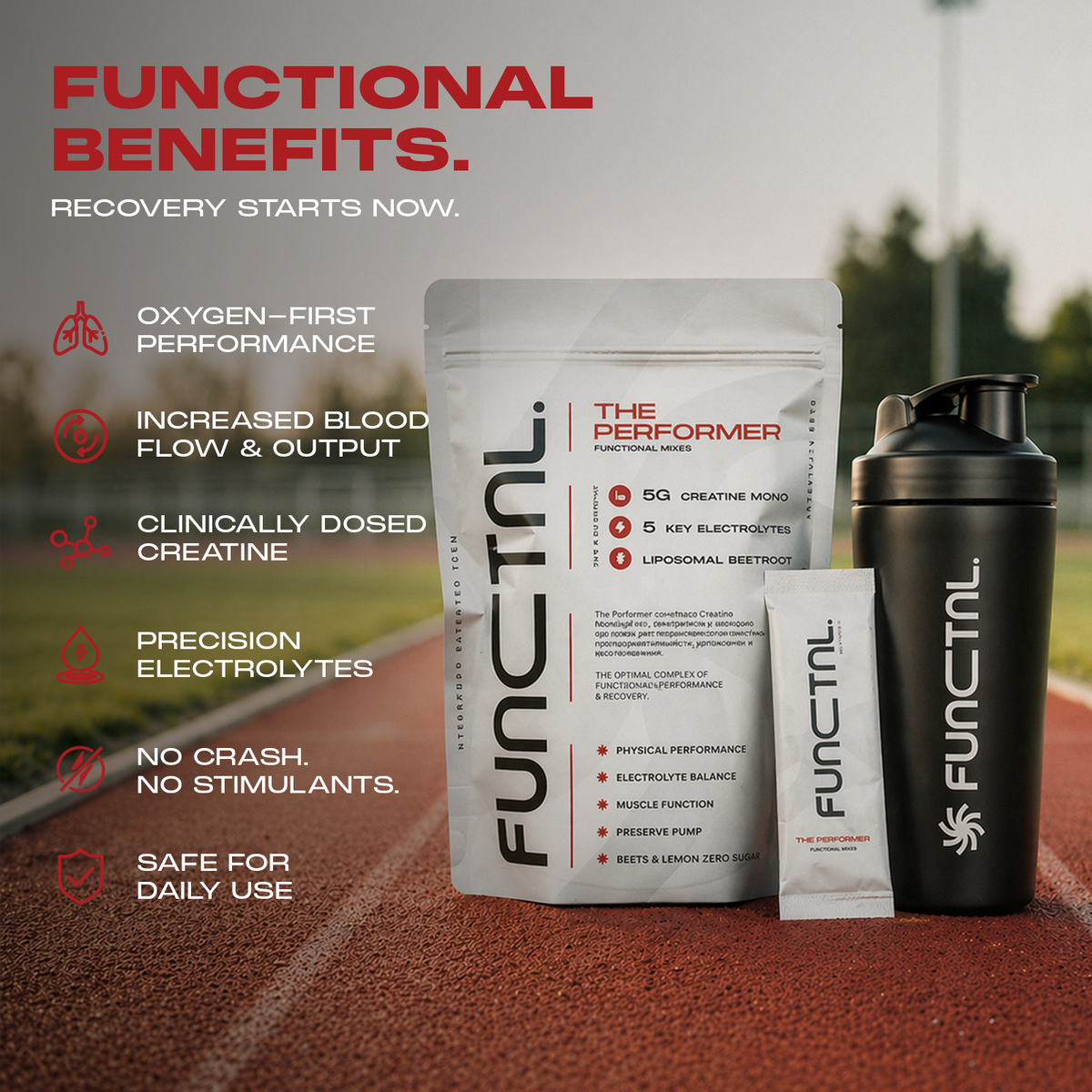
The Performer provides 5 g of creatine monohydrate, 2,500 mg of liposomal beetroot, and electrolytes: 300 mg of potassium, 149 mg of magnesium and 175 mg of sodium. Creatine increases physical performance in successive bursts of short-term, high intensity exercise, which suits hill repeats and strength days more than the long run. It has no carbohydrate, so it does not replace gels or drink.
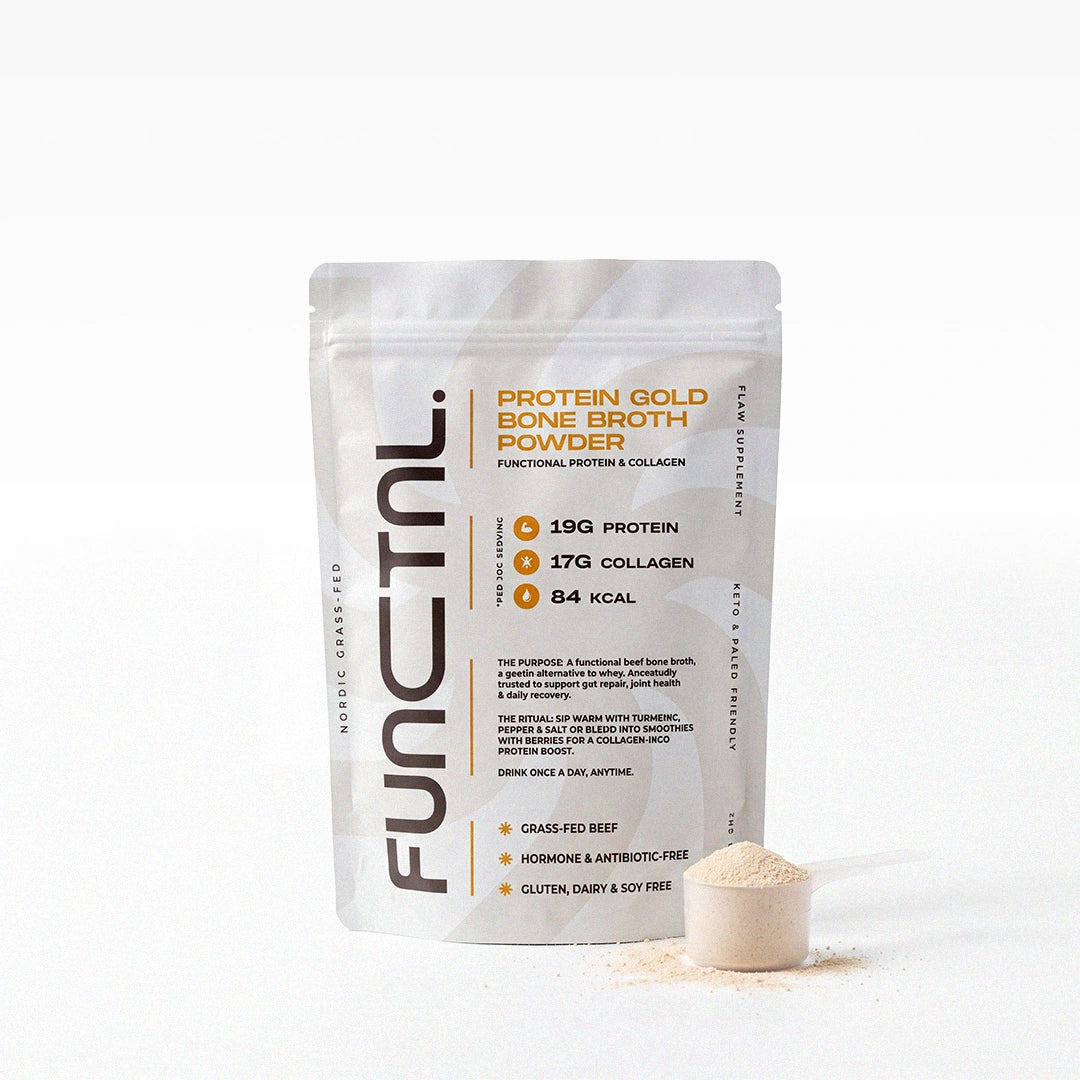
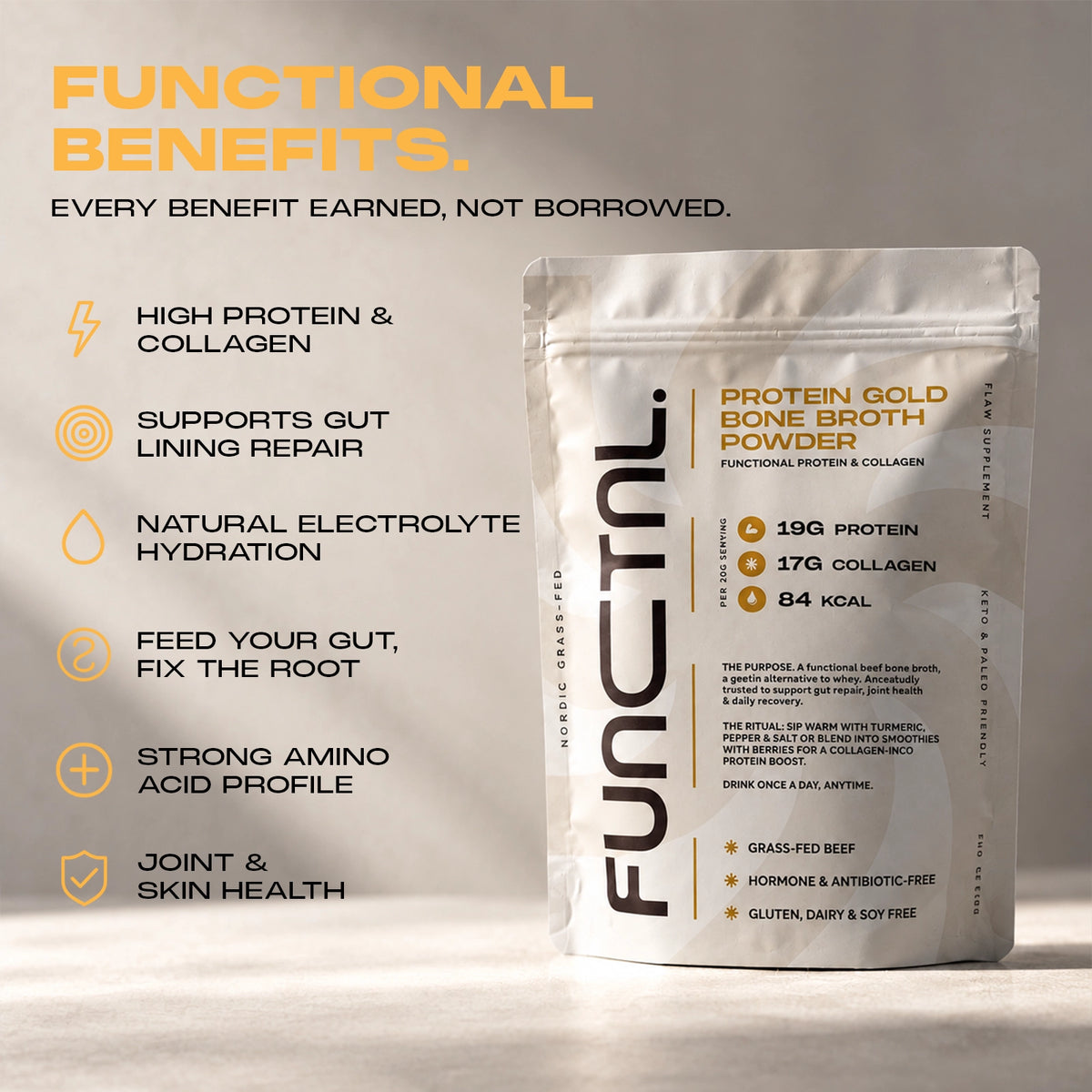
Halal Bone Broth gives 19 g of protein and 17 g of collagen per 20 g scoop, with 84 kcal. Protein contributes to the maintenance of muscle mass and normal bones. Collagen is not a complete protein, so keep eggs, fish, meat or dairy in your meals too.
How Should You Build Your London Marathon Supplement Routine?
Choose what you need, because each row is a separate product, not an extra dose of the same one.
| Product | Daily amount | Best time | Role |
|---|---|---|---|
| Joint & Gut Synergy | 2 capsules | Breakfast, with water | Vitamin D3, magnesium, joint-focused botanicals |
| The Performer | 1 sachet (9.5 g) | Before, during or after a run | Electrolytes and 5 g creatine |
| Halal Bone Broth | 1 scoop (20 g) | After runs, or in the evening | 19 g protein |
| Race-day carbohydrate | 30 to 60 g an hour | During runs over 60 minutes | Fuel, not covered by our products |
When Is the Best Time to Take Joint & Gut Synergy?
The best time to take Joint & Gut Synergy is whenever you will take it every day. The label recommends breakfast, or just before activity.
How Do You Put It All Together?
- Take 2 capsules of Joint & Gut Synergy with water at breakfast.
- Mix 1 sachet of The Performer into 300 to 400 ml of cold water before or after your run.
- Stir 1 scoop of Halal Bone Broth into 200 to 250 ml of hot, not boiling, water after a run.
- Practice your race-day carbohydrate plan on every long run.
- Keep the same routine through training, and try nothing new in race week.
Which Should Runners Start With: Joint & Gut Synergy, The Performer or Halal Bone Broth?
Start with the gap you actually have. If you train through winter, start with Joint & Gut Synergy for its vitamin D. If long runs leave you sweaty and drained, add The Performer. If you struggle to reach your protein target, add Halal Bone Broth.
| Feature | Joint & Gut Synergy | The Performer | Halal Bone Broth |
|---|---|---|---|
| Main job | Daily vitamin D, magnesium and botanicals | Electrolytes and creatine | Protein and collagen |
| Per serving | 25 µg vitamin D3, 80 mg magnesium | 5 g creatine, 149 mg magnesium | 19 g protein, 17 g collagen |
| Best for | Winter training routine | Long, sweaty runs and strength days | Daily protein target |
Are Supplements Safe During Marathon Training?
One point is specific to curcumin: the UK Committee on Toxicity reported rare cases of liver injury with turmeric supplements, so those with certain conditions should check first (COT, 2024). Do not exceed the recommended daily intake.
Who Should Avoid Them?
- Anyone with a liver, gallbladder or bile duct condition should avoid Joint & Gut Synergy unless their GP agrees.
- Anyone taking medication, including blood thinners, should check with a GP or pharmacist first.
- Anyone with kidney disease or a low-sodium diet should ask their GP before using The Performer.
- Vegans, vegetarians and anyone allergic to beef should skip Halal Bone Broth.
Stop taking Joint & Gut Synergy and see your GP if you notice yellow skin or eyes, dark urine or stomach pain. Food supplements should not replace a varied, balanced diet. Speak to your GP before use if you are pregnant, breastfeeding, taking medication or have a medical condition.
How FUNCTNL Joint & Gut Synergy Fits In
We made Joint & Gut Synergy for active people who train hard and want a simple daily routine. Each 2-capsule serving gives 250 mg of liposomal curcumin, 100 mg of Boswellia extract, 50 mg of black ginger, 50 mg of hyaluronic acid, 25 µg of vitamin D3 and 80 mg of magnesium. A pack holds 60 capsules, or 30 servings.
It is vegetarian, gluten-free, dairy-free, soy-free and sugar-free, with no artificial colouring.
"My go-to as a regular runner." M Pirani, London Marathon Runner
Shop FUNCTNL Joint & Gut Synergy
Frequently Asked Questions
Are Joint Supplements Good for Runners?
Yes, they can be a useful part of a routine, but they are the last layer after training load, fueling, strength work and sleep. Joint & Gut Synergy gives runners vitamin D3 and magnesium, plus curcumin, Boswellia and black ginger at stated doses.
What Supplements Should You Take for the London Marathon?
Start with food: 6 to 10 g of carbohydrate per kg a day in heavy training and 1.2 to 2.0 g of protein per kg. Then consider vitamin D in winter, electrolytes for long sweaty runs and protein powder if you fall short. Try nothing new on race day.
How Much Carbohydrate Do You Need During a Marathon?
Aim for 30 to 60 g of carbohydrate an hour for runs of 1 to 2.5 hours, and up to 90 g an hour beyond that. Practise this on long runs, using the same gels or drink you will use on race day.
Can You Take Joint & Gut Synergy Every Day During Training?
Yes, the serving we recommend is 2 capsules a day with breakfast, and the label says it suits daily use. Do not exceed the recommended daily intake. Speak to your GP first if you have a medical condition, take medication, or are pregnant or breastfeeding.
Can You Take Joint & Gut Synergy and The Performer Together?
Yes, they do different jobs. Both contain magnesium, 80 mg and 149 mg, so count your total across supplements. Take Joint & Gut Synergy with breakfast and The Performer in cold water around your run. Neither replaces food or race-day carbohydrate.
When Should You Start Taking Supplements Before the Marathon?
Start in training, not race week. With about 28 weeks to go, you have time to build a daily routine and learn how your body responds. Introduce one product at a time, and never try a new one in the final week.
Is Halal Bone Broth Enough Protein for a Runner?
It adds 19 g of protein per scoop, but it is mostly collagen, which is not a complete protein. Use it as one source of daily protein alongside meals with eggs, fish, meat or dairy. Your daily total still matters most.
Sources
- Bowel Cancer UK. 2027 Double TCS London Marathon: 24 to 25 April 2027, event details. Source
- Thomas DT, Erdman KA, Burke LM (2016). Position of the Academy of Nutrition and Dietetics, Dietitians of Canada and the American College of Sports Medicine: nutrition and athletic performance. Medicine and Science in Sports and Exercise 48(3):543-568. Source
- Alentorn-Geli E, Samuelsson K, Musahl V, Green CL, Bhandari M, Karlsson J (2017). The association of recreational and competitive running with hip and knee osteoarthritis: a systematic review and meta-analysis. Journal of Orthopaedic and Sports Physical Therapy 47(6):373-390. Source
- NHS. Vitamin D. Source
- Committee on Toxicity (2024). Statement on the potential risk to human health of turmeric and curcumin supplements (COT/2024/07). Source
- UK Government. Great Britain nutrition and health claims (NHC) register. Source


Leave a comment
This site is protected by hCaptcha and the hCaptcha Privacy Policy and Terms of Service apply.