




hormones
Postpartum Hair Loss: Why Is My Hair Falling Out After Having A Baby?

By Functnl Team · Last updated 14 October 2026
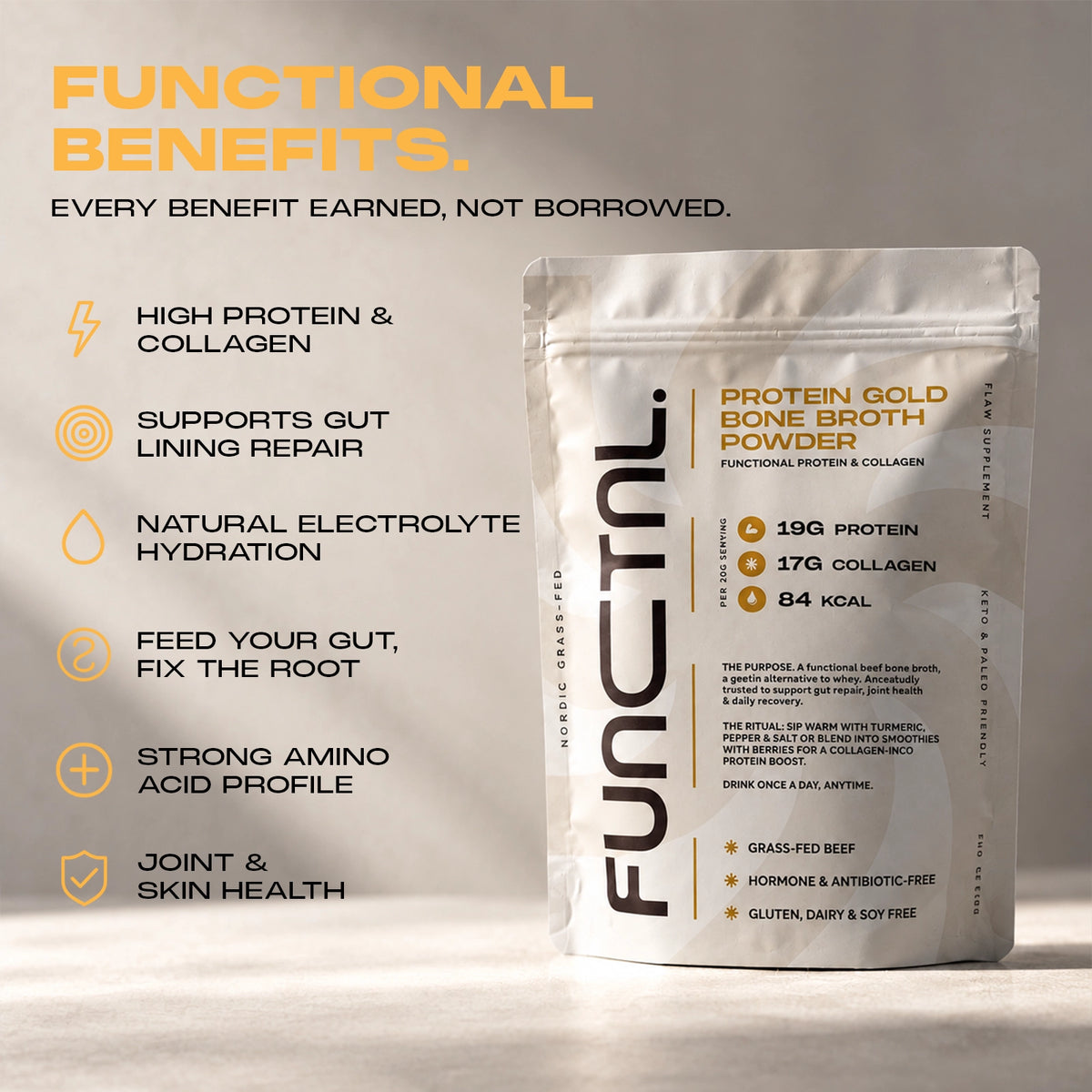
Postpartum hair loss is a temporary shedding phase that usually starts 2 to 4 months after birth, when pregnancy hormones fall and extra hairs shed together. It is very common, and most women see it ease within 6 to 12 months. Protein matters while you recover: one scoop of FUNCTNL Halal Bone Broth gives 19 g.
Key takeaways
- Postpartum hair loss, known as postpartum telogen effluvium, is estimated to affect one third to one half of women.
- Pregnancy hormones keep more hair in its growing phase, and after birth the extra hairs shed together, usually 2 to 4 months later.
- Most women see shedding ease within 6 to 12 months, and a GP check is worth it if it is severe, patchy or lasts beyond 12 months.
- In a 2024 clinic study of 200 women with postpartum shedding, only 9.5% had telogen effluvium alone.
- One 20 g scoop of FUNCTNL Halal Bone Broth provides 19 g of protein and 17 g of collagen, but no UK health claim links either to hair.
You brush your hair and find clumps in the brush, the shower drain and on the pillow. A few months after your baby arrives, your hair starts falling out, and nobody warned you. You are not imagining it, and you are not alone.
It is hard enough with broken sleep and a body that is still recovering. The good news is that it is usually temporary, and there are practical things you can do while it runs its course, including eating enough protein. A warm mug of Halal Bone Broth is one easy way, because it takes under a minute.
This guide explains why it happens, how long it lasts, what you can do and when to see your GP.
Why is my hair falling out more after having a baby?
Postpartum hair loss is a temporary increase in hair shedding after birth, caused by the fall in pregnancy hormones that pushes many hairs into the resting phase at once.
On a normal scalp, 85 to 90% of hairs are growing and 10 to 15% are resting. During pregnancy, higher oestrogen keeps more hairs growing, so less hair falls out and your hair feels thicker. After birth, oestrogen drops, and the hairs that were held back move into the resting phase together. This pattern, called telogen effluvium, affects an estimated one third to one half of women after birth (Samrao and Mirmirani, 2022).
Why is my hair shedding so much a few months after having my baby?
Hair stays in the resting phase for a few months before it falls out. That delay is why shedding often starts 2 to 4 months after birth, just when the newborn haze is lifting. Diffuse shedding typically begins 2 to 3 months after a trigger, so the timing is normal, not a sign that something new has gone wrong.
Is it normal to lose more hair after giving birth, and how long does it last?
Yes, it is normal, and it is usually temporary. Dermatology guidance is that most cases settle on their own within about 6 to 12 months, with no specific treatment needed (ACP, 2020). Your hair keeps growing, and density usually catches up over the following months.
What's the best way to support postpartum hair loss naturally?
Support your recovery while the hormonal shift runs its course. These are the steps with the best reasoning behind them:
- Eat enough protein at every meal, because hair is made of protein and your body is recovering.
- Include iron-rich foods such as red meat, lentils and leafy greens, as iron can be low after delivery.
- Handle your hair gently, and avoid tight ponytails and braids that pull on the roots.
- Ask your GP to check iron, vitamin D and thyroid if shedding is severe or slow to ease.
- Rest when you can, and ask for help, because sleep and stress affect everything.
Does protein matter for postpartum recovery?
Protein contributes to the maintenance of muscle mass and normal bones, which are authorised health claims in Great Britain (GB NHC register). Reviews also link protein-energy malnutrition, and low iron, zinc and vitamin D, with hair changes, while noting that better trials are needed (Almohanna et al., 2019). Supplements appear most useful when a deficiency is confirmed.
There is no authorised UK health claim linking protein or collagen to hair, so we say plainly: bone broth is a convenient way to reach your protein target, not a hair treatment.
How can Halal Bone Broth fit into your day?
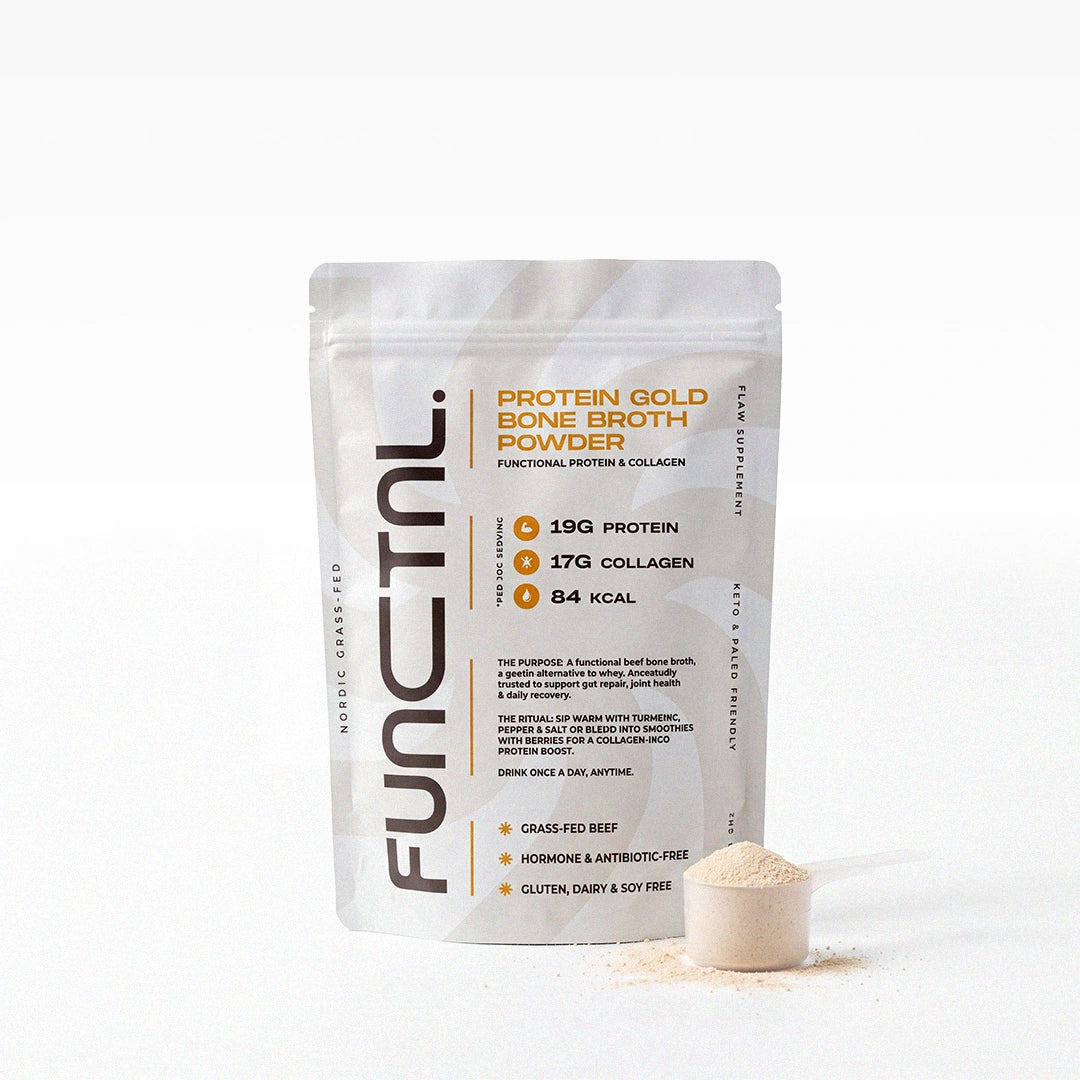
Take 1 scoop (20 g) of Halal Bone Broth a day, mixed into 200 to 250 ml of hot water. One scoop gives you 19 g of protein and 17 g of collagen, with 84 kcal. It is a warm, savoury drink you can make with one hand.
| Use | Amount | Liquid | Best time |
|---|---|---|---|
| Warm drink | 1 scoop (20 g) | 200 to 250 ml hot water | Morning or evening |
| Smoothie | 1 scoop (20 g) | Blended in | Any time |
| In meals | 1 scoop (20 g) | Stirred into soup, stew or porridge | With any meal |
How do you make it quickly?
- Add 1 scoop (20 g) of powder to a mug.
- Pour in 200 to 250 ml of hot, not boiling, water.
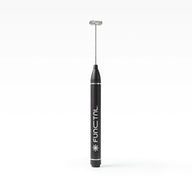
- Froth for about 10 seconds with the FUNCTNL Frother until it dissolves.
- Season with salt, black pepper or a squeeze of lemon.
- Blend, do not shake, if you add it to a smoothie.
Postpartum hair loss: what is myth and what is fact?
| Myth | Fact |
|---|---|
| Hair loss after a baby means you are deficient. | It is mainly driven by hormones. Nutrition can play a part, but it is not the main cause. |
| A hair vitamin will stop the shedding. | Supplements appear most useful when a deficiency is confirmed, and large trials are still needed. |
| Bone broth stops hair loss. | There is no authorised claim or trial showing this. It is a protein source for your daily intake. |
| You will go bald. | Most shed hairs were resting ones, and for most women hair grows back as the cycle resets. |
Is it safe to take bone broth after birth, and when should you see your GP?
Halal Bone Broth is a food made from one ingredient, and it suits most adults who eat beef. One scoop contains 0.4 g of salt, so count it if you follow a low-salt diet. It is not suitable for vegans, vegetarians or anyone allergic to beef.
When should you see your GP?
- Shedding is severe, patchy or leaves visible bald areas.
- It has not eased after several months, or continues beyond 12 months.
- You also feel very tired, cold, low or unusually anxious, as thyroid problems can follow birth.
In the 2024 clinic study, 9.5% of 200 women with postpartum shedding had telogen effluvium alone, while the rest also had another hair loss condition (Galal et al., 2024). A GP can look for causes such as a vitamin deficiency or female pattern hair loss (NHS).
Food supplements should not replace a varied, balanced diet. Speak to your GP before use if you are pregnant, breastfeeding, taking medication or have a medical condition.
How FUNCTNL Halal Bone Broth fits in
We made Halal Bone Broth for people who want protein without dairy, in a form they can drink warm. Each 20 g scoop gives 19 g of protein and 17 g of collagen from one ingredient: Nordic grass-fed beef bone broth. It is halal certified and lactose-free, with no sweeteners or flavouring.
It is unflavoured on purpose, so it works in food as well as drinks. A pack holds 15 servings, and every subscription includes a free FUNCTNL Frother.
"The bone broth has helped me hit my daily protein in a healthy way." Lorell, Running Coach
Frequently asked questions
Is it normal to lose this much hair after having a baby?
Yes, it is very common. Pregnancy hormones keep more hair than usual in its growing phase, and after birth those levels drop back, pushing a lot of hair into shedding at once. It is estimated to affect one third to one half of women, so you are in very good company.
How long does this usually last?
Most women notice it easing off within 6 to 12 months as hormone levels settle and hair cycles return to normal. Shedding usually starts 2 to 4 months after birth. If it is severe or has not eased after several months, it is worth checking in with your GP.
Is there anything I can actually do about it, or do I just wait it out?
The hormonal shift has to run its course, but you can look after the basics. Eat enough protein and iron-rich foods, handle your hair gently and rest where you can. Ask your GP to check iron, vitamin D and thyroid if shedding is severe. Supplements work best for confirmed deficiencies.
Should I be worried it will not grow back?
For most women it is temporary, and hair grows back as the cycle resets. If shedding feels unusually severe, is patchy, or does not ease off after several months, check in with your GP, who can look for other causes such as a vitamin deficiency or female pattern hair loss.
Can bone broth help with postpartum hair loss?
There is no trial or authorised UK health claim showing that bone broth or collagen stops hair loss. What it offers is convenience: 19 g of protein per scoop, as a warm drink in under a minute. It is mostly collagen, so it is not a complete protein. Eat other protein foods too.
Can I take bone broth powder while breastfeeding?
Speak to your GP, midwife or health visitor first, as you would with any supplement while breastfeeding. Halal Bone Broth is a food made from one ingredient, Nordic grass-fed beef bone broth, with no additives. It contains beef, and one scoop has 0.4 g of salt, which is worth counting.
Is Halal Bone Broth suitable for vegetarians or people avoiding dairy?
It is dairy-free, lactose-free, gluten-free and soy-free, and it is halal certified. It is made from beef, so it is not suitable for vegans or vegetarians. Each scoop has 0.1 g of carbohydrate and 0 g of sugar, so it suits keto and paleo diets too.
Sources
- Samrao A, Mirmirani P (2022). Postpartum telogen effluvium unmasking traction alopecia. Skin Appendage Disorders 8(4).
- Galal SA, El-Sayed SK, Henidy MMH (2024). Postpartum telogen effluvium unmasking additional latent hair loss disorders. Journal of Clinical and Aesthetic Dermatology 17(5).
- Almohanna HM, Ahmed AA, Tsatalis JP, Tosti A (2019). The role of vitamins and minerals in hair loss: a review. Dermatology and Therapy 9(1):51-70.
- American College of Physicians (2020). MKSAP quiz: evaluation for generalized hair loss. ACP Internist Weekly, 22 September 2020.
- NI Direct. Hair loss (information adapted from the NHS website).
- UK Government. Great Britain nutrition and health claims (NHC) register.


