




gut
Fibre Foods: Beetroot Fibre Content, Research and How to Eat It

By FUNCTNL Team · Last updated 03 November 2026
Beetroot fibre is the part of beetroot your body cannot fully digest, and raw beetroot has about 2.5 g of fibre per 100 g. An 80 g portion gives roughly 2 g, around 7% of the 30 g a day UK adults are advised to eat. Beetroot is a useful fibre food, but not a high-fibre one.
Key takeaways
- Fibre figures for beetroot vary by variety, database and cooking, so regard 2.5 g per 100 g as an estimate.
- In UK labelling, a source of fibre has 3 g or more per 100 g and a high-fibre food 6 g or more, so beetroot falls below both.
- UK adults eat about 19 g of fibre a day on average, against the recommended 30 g.
- Whole beetroot keeps its fibre, and strained juice may not, so check the label.
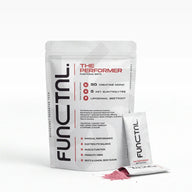
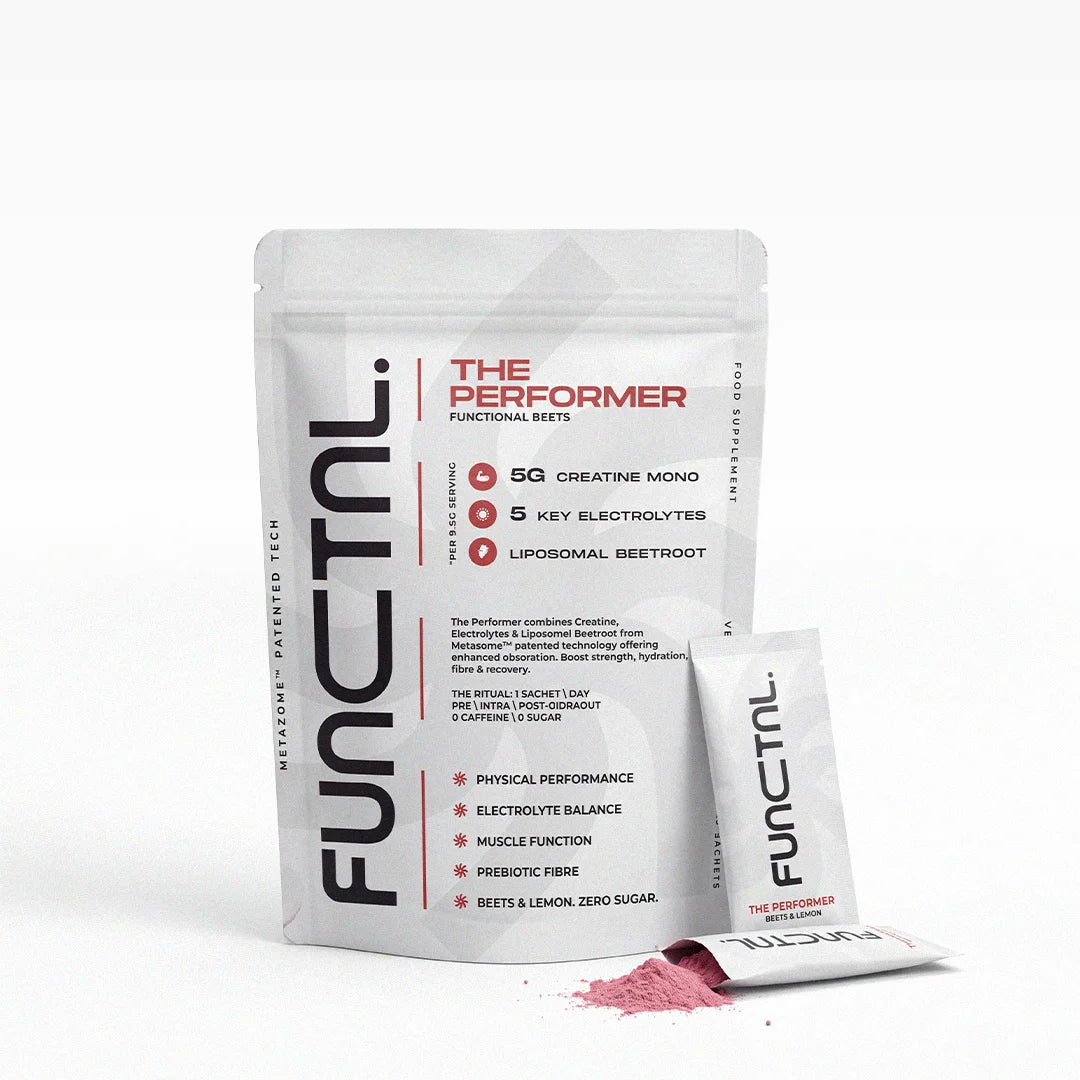
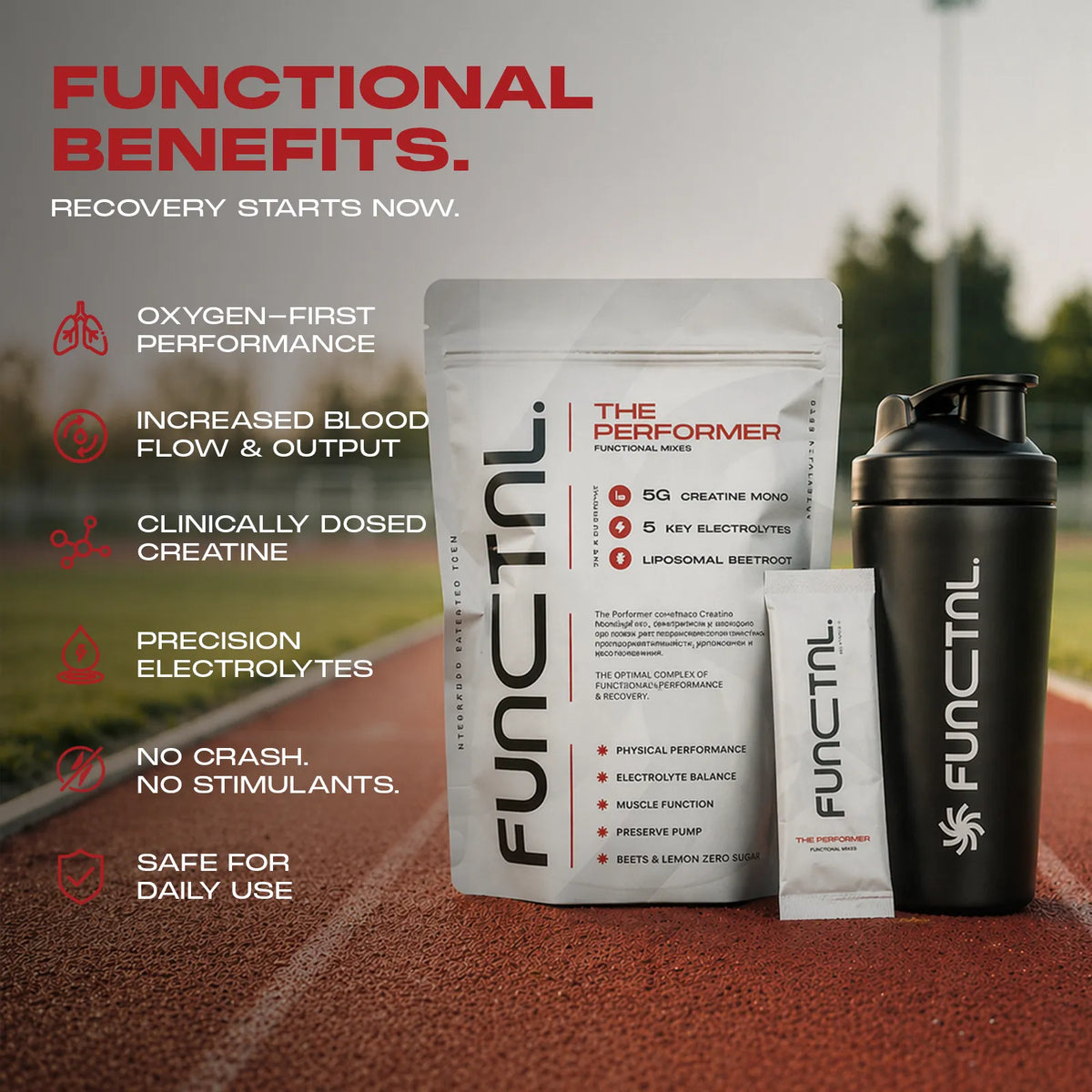
- The label of The Performer does not state a fibre amount.
Beetroot turns up on every list of fibre foods, usually with no numbers attached. If you are trying to eat more fibre, you want to know whether a plate of beetroot actually moves the needle or just looks the part. This article gives the figures, compares beetroot with other fibre foods and shows how to add it gradually. It also explains what fibre does and does not say about juices and supplements. For the wider picture, read our guide to gut health and performance.
What is beetroot fibre?
Beetroot fibre is the indigestible plant material in beetroot, and it makes up about 2.5 g of every 100 g of raw root (Aprifel, Ciqual data). Fibre is the part of plant foods that passes through the small intestine largely undigested. Beetroot sits close to the average for raw vegetables, which is about 2.4 g per 100 g.
Fibre is only one thing beetroot provides. It is also a vegetable that counts towards your 5 a day, and its sugars and pigments make it taste sweet and look purple. The fibre sits mainly in the flesh and skin of the whole root. That is why whole beetroot, grated raw or cooked, is the form to choose when fibre is your aim, and why juice and supplements need a closer look at the label. The raw figure is the usual way to compare foods, because cooking and pickling add water or sugar and change the amount per 100 g.
How does fibre work in your body?
Fibre reaches your large intestine mostly intact, where gut bacteria break some of it down. The British Nutrition Foundation (BNF) says eating plenty of fibre helps keep your gut healthy, and recommends at least 30 g a day (BNF). The average UK adult eats about 19 g, so most of us have room to eat more.
What does the research show about beetroot and fibre?
How much fibre is in beetroot?
About 2.5 g per 100 g raw. French Ciqual data give 2.55 g, and the average beetroot weighs 125 g (Aprifel). Values vary by variety, database and cooking, so regard any single figure as an estimate. Check the label on packs, because values differ between products and between raw, cooked and pickled beetroot.
Is beetroot a high-fibre food?
No. Under UK labelling, a food is a source of fibre at 3 g or more per 100 g and high in fibre at 6 g or more per 100 g (BDA). Beetroot at about 2.5 g falls short of both.
It still contributes to your total, especially in a larger portion, as the table below shows. In practice, one portion gives a small step towards 30 g, not a large one, which is why variety matters.
How does beetroot compare with other fibre foods?
Beetroot is mid-range among vegetables, and well below beans, peas and nuts. The British Dietetic Association (BDA) lists fibre per 100 g for common foods, and the table below puts beetroot alongside them. Choose beetroot for variety and colour, and lean on beans, peas, oats and seeds when you want to raise your fibre total quickly (BDA).
| Food | Fibre per 100 g (g) |
|---|---|
| Beetroot, raw | About 2.5 |
| Broccoli, boiled | 2.8 |
| Strawberries | 3.8 |
| Green beans, boiled | 4.1 |
| Parsnip, boiled | 4.7 |
| Baked beans in tomato sauce | 4.9 |
| Peas, boiled | 5.6 |
| Almonds | 7.4 |
How big is the UK fibre gap?
The average UK adult eats about 19 g of fibre a day, which is 11 g short of the recommended 30 g (BNF). Closing that gap with beetroot alone would take five to six 80 g portions, so it is better to spread it across vegetables, pulses, wholegrains, nuts and seeds.
How much beetroot fibre is in a portion?
An 80 g portion of raw beetroot gives about 2 g of fibre, and a whole 200 g beetroot gives about 5 g. These figures use 2.55 g per 100 g. Cooked and pickled beetroot differ, so check the pack.
| Amount of beetroot | Weight (g) | Fibre (g) | Share of 30 g |
|---|---|---|---|
| 1 portion | 80 | About 2.0 | About 7% |
| 1 average beetroot | 125 | About 3.2 | About 11% |
| 1 large beetroot | 200 | About 5.1 | About 17% |
When is the best time to eat beetroot?
Any meal works, and spreading fibre across the day is easier on your gut. If you eat little fibre now, increase it gradually, because a sudden jump can cause bloating (BNF). Add one portion of beetroot to a meal for a week, then add another fibre food.
How do you eat more beetroot?
- Start with 1 portion (80 g) of cooked or grated beetroot a day.
- Choose whole beetroot over strained juice when fibre is your goal.
- Add it to salads, soups, roasted vegetables or grain bowls.
- Pair it with beans, oats, nuts or seeds to raise the meal total.
- Increase your overall fibre in small steps over several weeks.
- Drink plenty of fluid as your fibre intake rises.
Whole beetroot vs juice vs powder: which has the most fibre?
Whole beetroot has the most dependable fibre. Juices are usually strained, and powders depend on what went in, so only the label can tell you. If fibre is your goal, eat the whole root and see juices and supplements as extras.
A powder or extract keeps fibre only if it is made from the whole root, and many are sold for their nitrate or pigments instead. Juices are usually strained, so they tend to hold less fibre than the whole root. The NHS also says juicing releases sugars that can damage teeth, so keep juice to 150 ml at mealtimes (NHS).
| Form | Fibre per serving (g) | What to check |
|---|---|---|
| Whole beetroot, raw or cooked | About 2.0 per 80 g | Variety and cooking method |
| Beetroot juice | Check the label | Whether pulp is included |
| Beetroot powder or extract | Check the label | Whole-root or extract, and amount per serving |
| The Performer | Not stated | No fibre amount on the label |
Is it safe to eat more beetroot?
For most people, yes. Beetroot is a vegetable, and the main effects are pink or red urine and stools, which are harmless, plus extra wind if you raise fibre too quickly. If you have a digestive condition, check before you change your fibre intake.
Who should avoid it?
- Anyone with a diagnosed digestive condition, such as IBS or IBD, should check with their GP or a dietitian before raising fibre.
- Anyone on blood pressure medication should speak to their GP before drinking beetroot juice regularly.
- Anyone with an allergy to an ingredient should check the full label.
Food supplements should not replace a varied, balanced diet. Speak to your GP before use if you are pregnant, breastfeeding, taking medication or have a medical condition.
How FUNCTNL The Performer fits in
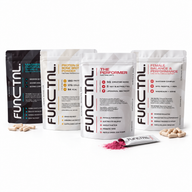
The Performer is not a fibre food. Each 9.5 g sachet provides 2,500 mg of liposomal beetroot, 5,000 mg of creatine monohydrate, 300 mg of potassium, 149 mg of magnesium and 175 mg of sodium, with 0 g of sugar and 0 mg of caffeine. A pack holds 15 sachets.
Here is what only we can say: the ingredients list includes prebiotic fibre, but the label does not give an amount per sachet, so we make no fibre claim. For fibre, eat whole beetroot and the foods in the table above, and use The Performer for creatine and electrolytes.
Frequently asked questions
Does beetroot count towards your 5 a day?
Yes, as a vegetable. A portion is 80 g, and fresh, frozen, canned and cooked beetroot all count. Unsweetened vegetable juice counts as a maximum of 1 portion, however much you drink, and the NHS limits juices and smoothies to 150 ml a day in total.
Can eating more beetroot make you bloated?
It can if you raise fibre too fast. The BNF advises increasing fibre gradually to avoid bloating and wind, so add one portion of beetroot a day for a week before adding more. If you have IBS or another digestive condition, speak to your GP or a dietitian.
Why are my stools red after eating beetroot?
Beetroot pigments can colour urine and stools pink or red, which is common and harmless in itself. If you see red and are unsure whether beetroot is the cause, or it persists when you stop eating it, speak to your GP to be safe.
What should you eat with beetroot to add more fibre?
Pair it with beans, peas, oats, nuts or seeds. The BDA lists baked beans at 4.9 g, boiled peas at 5.6 g and almonds at 7.4 g of fibre per 100 g, all well above beetroot. A grain bowl with beetroot and beans is an easy way to add fibre.
Does The Performer contain fibre?
Its ingredients list includes prebiotic fibre, but the label does not state an amount per sachet, so we make no fibre claim. The Performer provides 2,500 mg of liposomal beetroot, 5,000 mg of creatine monohydrate and electrolytes. It does not replace whole beetroot or other fibre foods.
Sources
- Aprifel. Beetroot nutritional sheet (based on the ANSES Ciqual 2017 composition table).
- British Dietetic Association. Fibre food fact sheet.
- British Nutrition Foundation. Focus on fibre.
- British Nutrition Foundation. Gut health conditions (advice on increasing fibre gradually).
- NHS. 5 A Day: what counts? Juice and smoothies (portion sizes).


